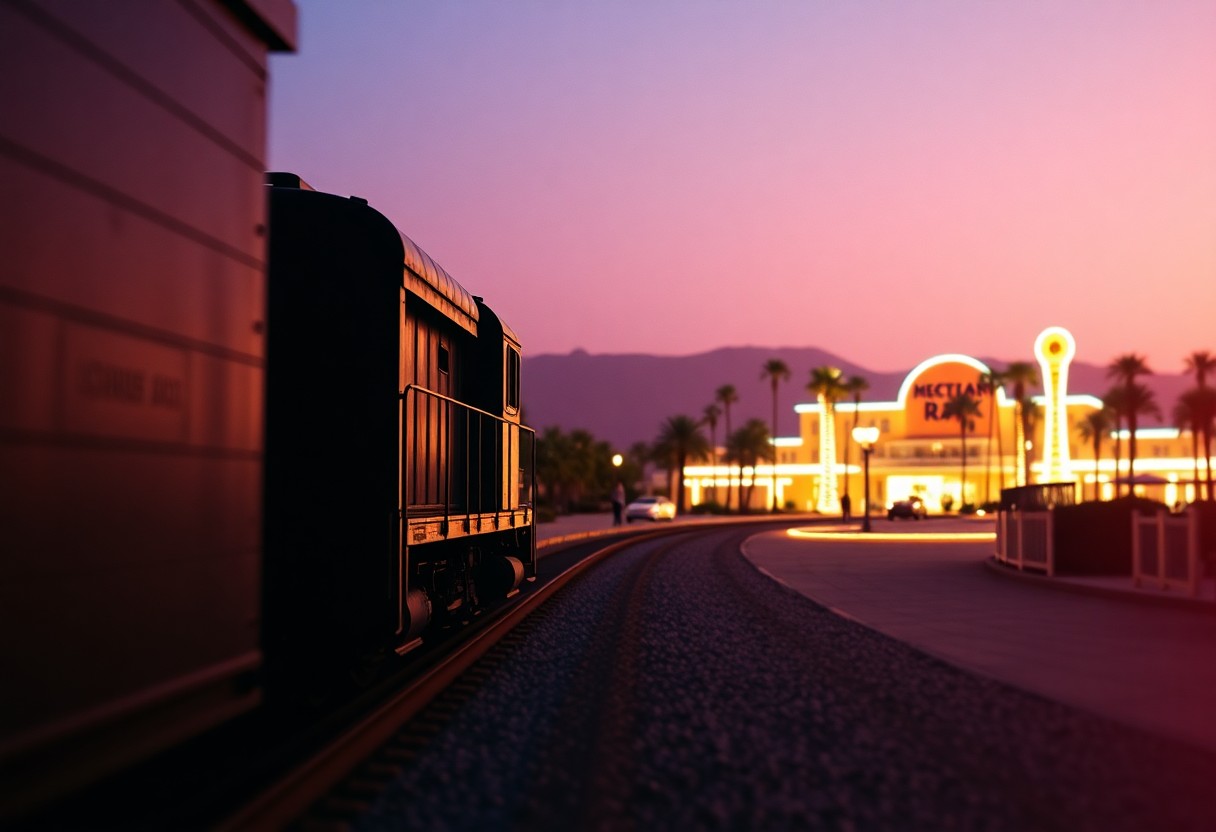
Many people are fascinated by the transformation of Las Vegas from a modest railroad stop to a world-renowned resort destination. This blog post will guide you through the pivotal moments, key players, and significant developments that shaped your experience in this vibrant city. As you investigate into the rich history of Las Vegas, you’ll uncover how its unique blend of culture, commerce, and entertainment evolved into the dazzling metropolis you see today.
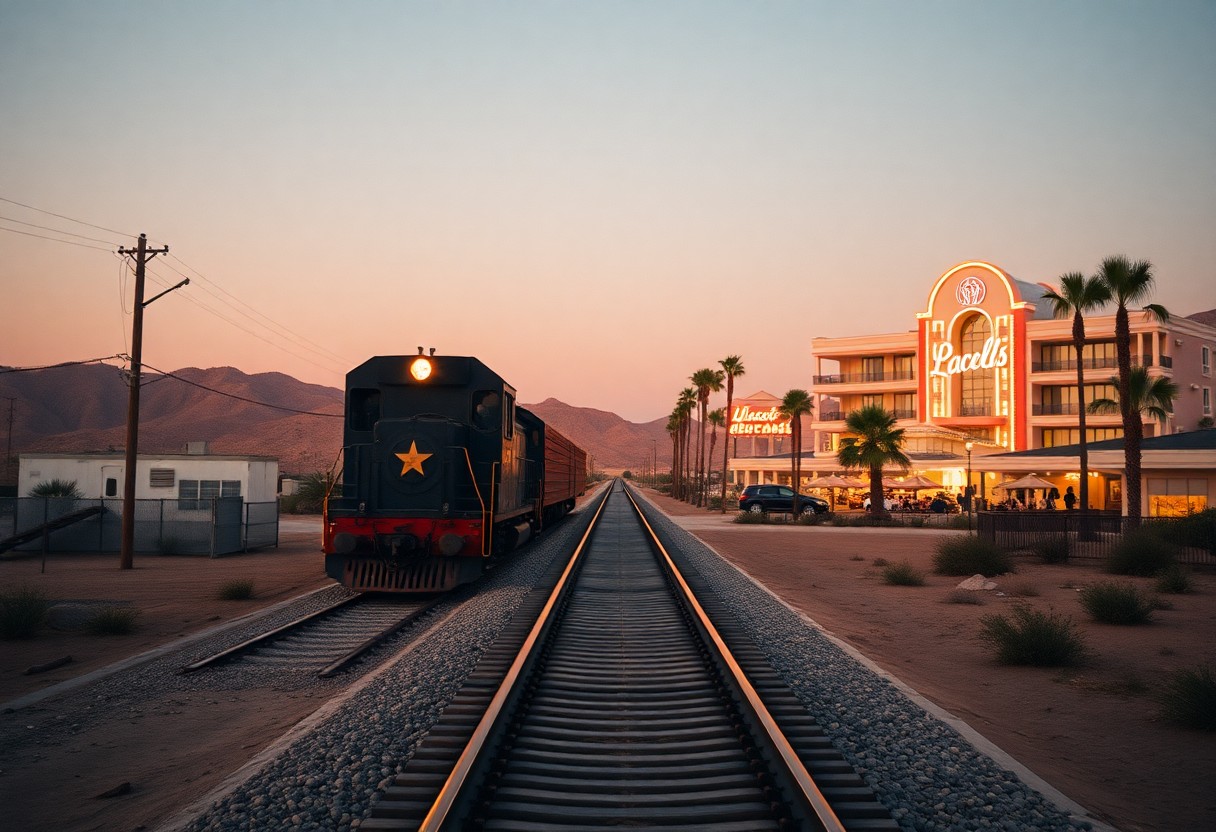
How Railroads Shaped Early Las Vegas
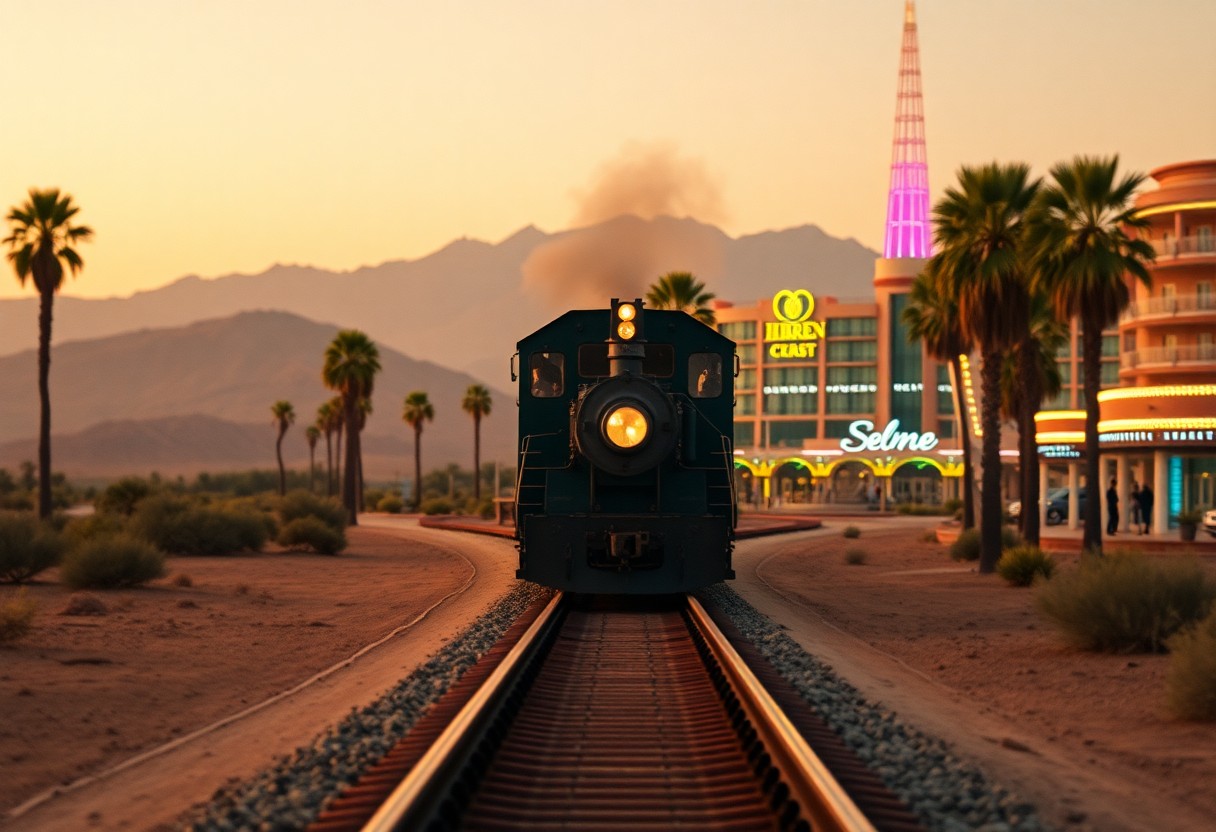
The arrival of railroads catalyzed the rapid growth and development of Las Vegas. Initially a simple water stop for travelers, the city quickly transformed into a bustling hub as the Southern Pacific Railroad laid down tracks that connected it with larger cities like Los Angeles and San Francisco. The enhanced accessibility attracted businesses and settlers seeking opportunities, and with each passing train, Las Vegas carved out its place in the American West.
The Impact of the Southern Pacific Railroad
The Southern Pacific Railroad’s completion in 1905 marked a pivotal moment for Las Vegas, offering a reliable link to major markets. As trains passed through the city, the influx of visitors and goods fueled economic growth. Rail connections fostered new tourism, drawing people to the region — and ultimately laying the groundwork for Las Vegas’ future as a prominent destination.
The Role of Transportation in Growth
Transportation accelerated Las Vegas’s expansion, creating a vibrant network that supported various industries. With railroads serving as the arteries of commerce, your city witnessed an influx of merchants, construction workers, and tourists. The accessibility brought on by the rail system meant that goods and services could move smoothly, igniting the local economy and paving the way for the entertainment and hospitality venues that later defined the city.
As trains carried more people into Las Vegas, the city evolved into a thriving marketplace that catered to every type of traveler. You might have indulged in local dining experiences or explored new retail options, all thanks to the variety of products being shipped in. The convenience of rail transport not only encouraged tourism growth but also attracted investments, leading to new hotels and entertainment venues that set the stage for the vibrant Las Vegas we know today.
The Shift from Commerce to Entertainment
The transformation of Las Vegas from a commerce-driven hub into a world-renowned entertainment capital reshaped its identity and economy. By the mid-20th century, the city began to attract visitors seeking not just goods but experiences, transforming the landscape and business models that previously dominated. As hotels evolved into lavish resorts and entertainment venues, they catered to a tourist demographic whose desires extended far beyond shopping.
The Rise of Casinos and Gaming
The legalization of casino gaming in 1931 marked a pivotal point in Las Vegas’s history, paving the way for an explosion of nightlife and attractions. As you strolled down the Strip, you would have encountered iconic establishments like the Flamingo and the Sands, which not only offered gaming but also extravagant shows. This period saw casinos become the central focus of the city, drawing millions of visitors annually, igniting the gambling culture that defined Las Vegas.
The Transformation of Las Vegas Culture
With gaming and entertainment at the forefront, Las Vegas culture underwent significant changes. The city began to embrace a vibrant lifestyle that revolved around nightlife, concerts, and events, influencing not only its residents but also the millions who visited each year. You would discover a melting pot of traditions, with different cultures blending into a unique urban tapestry. The evolution of Las Vegas culture mirrored a broader shift in American leisure activities, with entertainment becoming synonymous with luxury and extravagance, marking the city as a premier destination for global travelers.
The Birth of the Resort Industry
The resort industry in Las Vegas began its ascent in the 1950s, highlighting the transition from mere gambling establishments to elaborate playgrounds for entertainment and leisure. Hotels became not just places to sleep but destinations that offered a myriad of diversions, from fine dining and nightlife to performances by renowned entertainers. As these resorts emerged, they attracted visitors eager for an all-encompassing experience, laying the foundation for the vibrant tourism sector that thrives today.
Iconic Hotels that Redefined Hospitality
Establishments like The Flamingo, opened by the infamous Bugsy Siegel in 1946, set the standard for luxurious accommodations infused with an aura of glamour. The rise of The Sands and The Riviera followed suit, offering not just rooms but an exclusive atmosphere where guests could revel in the high life. These iconic hotels brought innovative amenities and themes, transforming hospitality standards and forever changing Las Vegas’s landscape.
The Influence of Celebrity and Glamour
Celebrity appearances and glamorous events significantly shaped Las Vegas’s allure. Stars like Frank Sinatra and Elvis Presley took center stage, drawing audiences and setting the tone for a culture infused with celebrity charm. The presence of these icons not only elevated performances but also turned the city into a mecca for those seeking a taste of stardom. With each show, Las Vegas became synonymous with glitz, attracting visitors eager to brush shoulders with fame and fortune.
The influence of celebrity culture deepened through extravagant productions and luxurious lifestyles showcased on stage and in hotel lobbies. Las Vegas became a stage not just for gambling but for unique experiences, where you could see a live show featuring your favorite star and then dine at a restaurant personally designed by another. The prevalence of celebrity endorsements and appearances also led to the rise of themed hotel experiences, allowing guests to immerse themselves in the glamour and excitement that defined the city. Each iconic figure contributed to an evolving narrative that kept drawing tourists back, generating an endless cycle of fascination and spending in this sparkling desert oasis.
The Economic Forces Driving Expansion
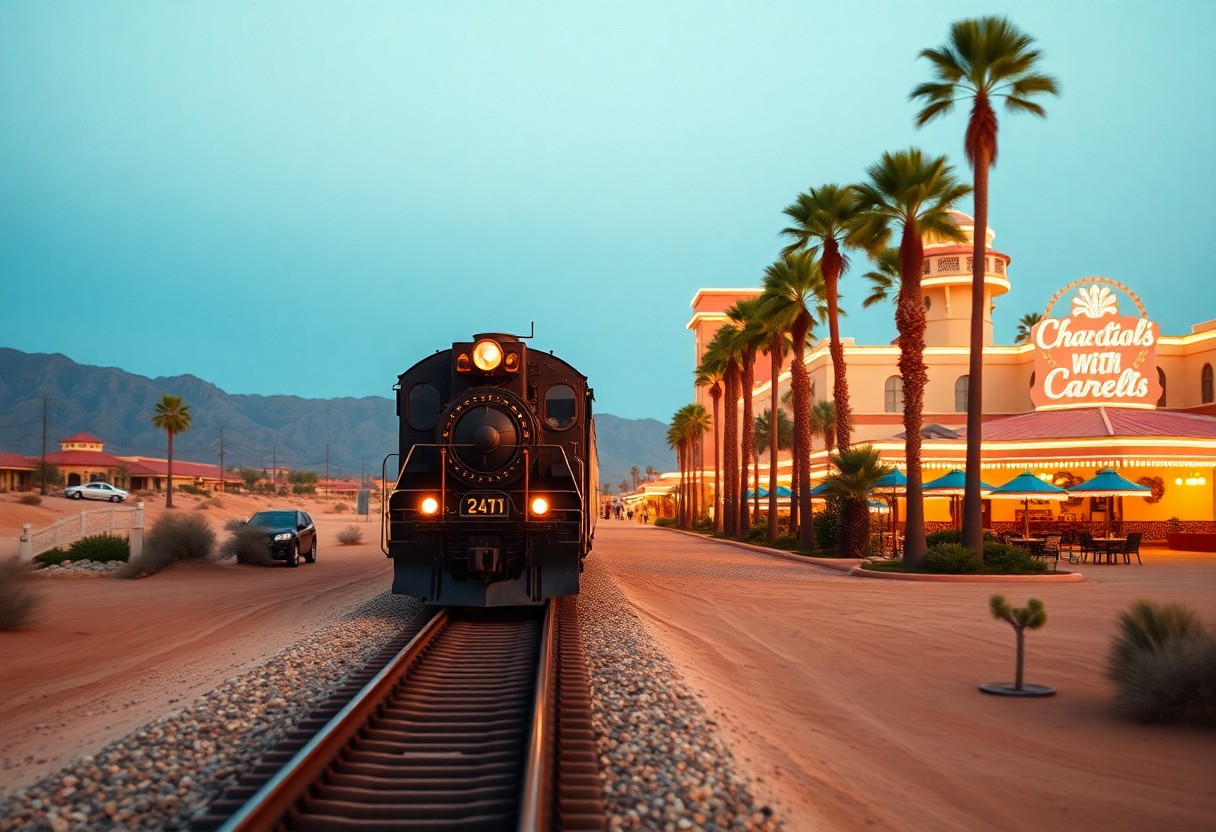
Rapid economic growth in Las Vegas didn’t occur in isolation. Key forces driving this expansion included an influx of disposable income from visitors and a burgeoning gaming industry. The post-World War II era saw an increase in leisure time, with Americans eager to vacation in the desert oasis. As the population grew, so did businesses catering to both locals and tourists, creating a vibrant economy that thrived on entertainment and hospitality.
Tourism and Local Economic Development
Your arrival in Las Vegas today is met by a vibrant tourism sector that fuels local economic development. The Las Vegas Strip attracts millions of visitors annually, contributing billions to the economy through hotels, restaurants, and entertainment venues. This influx creates jobs and supports local businesses, driving expansion and innovation fueled by the ever-growing demand for leisure and recreation.
The Impact of Legislation and Regulation
Legislation and regulation played significant roles in shaping Las Vegas’s growth trajectory. The legalization of gambling in 1931 marked the beginning of a new era, inviting investment and spurring development in the gaming sector. The environment was further enhanced by regulatory frameworks that streamlined business operations, ensuring a stable landscape for both large casinos and smaller enterprises to thrive.
The establishment of the Nevada Gaming Control Board brought about a structured approach to industry oversight, enhancing the credibility of Las Vegas as a gaming destination. Key legislative acts, such as the Gaming Act of 1945, paved the way for corporate ownership of casinos, allowing large businesses to invest in infrastructure and promotions. These strategic regulations laid the groundwork for the iconic resorts that became synonymous with Las Vegas, enabling the city to expand rapidly and attract a diverse array of entertainers and tourists alike.
Las Vegas: A Cultural Metamorphosis
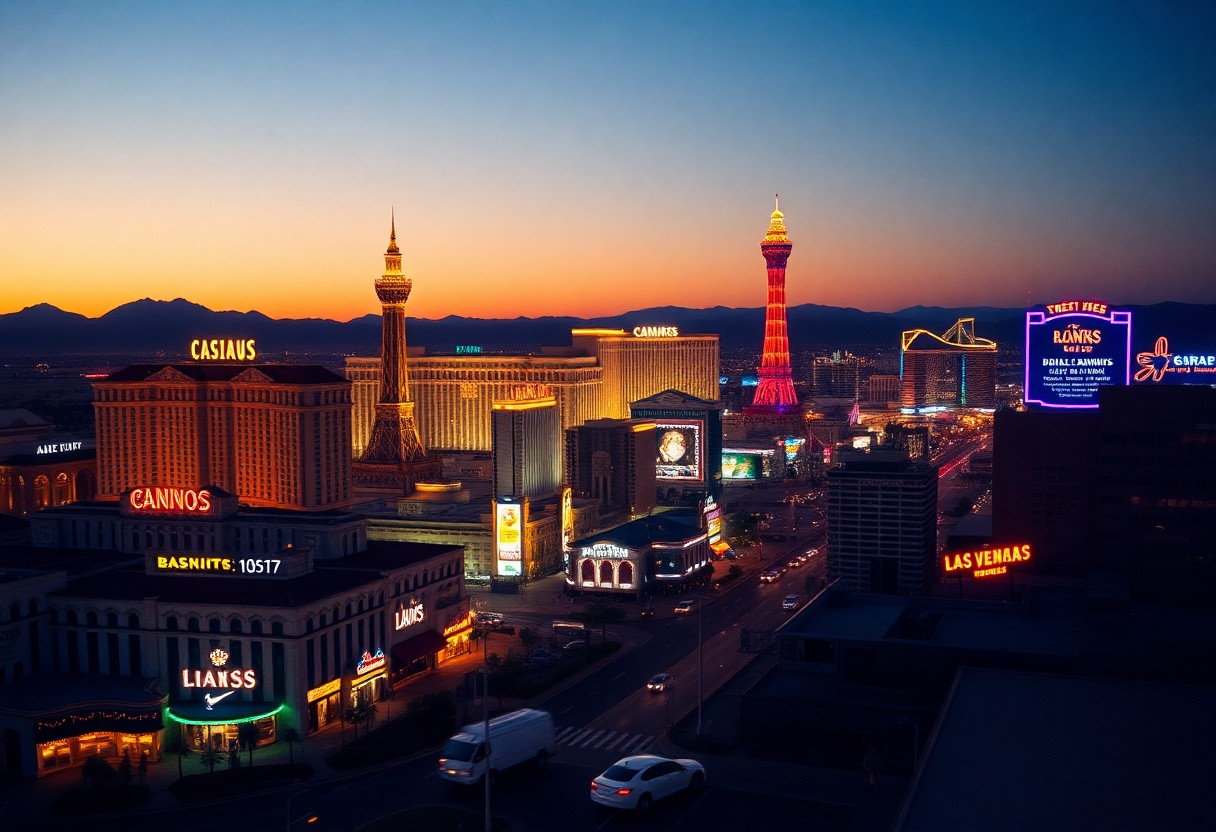
As you examine into the evolution of Las Vegas, the transformation from a modest railroad town to a vibrant oasis of culture becomes evident. The juxtaposition of neon lights, lavish casinos, and Broadway-style shows creates a unique tapestry that defies simple categorization. This cultural metamorphosis reveals not only the city’s adaptability but also its ability to redefine what entertainment and leisure can look like in the American landscape.
The Iconography of the Strip
The Las Vegas Strip is a treasure trove of visual stimuli, where iconic landmarks like the Bellagio’s dancing fountains and the Eiffel Tower replica in Paris Las Vegas create a surreal environment. Each structure has been meticulously designed to evoke a sense of fantasy and adventure, allowing you to travel the globe without ever leaving this stretch of desert. The blend of cultures represented by the architecture enhances the city’s identity as a playground for adults, offering a sense of escapism that is both exhilarating and unforgettable.
The Evolution of Events and Festivals
Festivals and events in Las Vegas have transformed into major cultural attractions, showcasing the city’s dynamic nature. From the vibrant Electric Daisy Carnival, which draws over 450,000 attendees, to the annual Las Vegas Film Festival, festivals celebrate everything from music to cinema. These gatherings not only entertain but also foster community among visitors and locals alike, giving you opportunities to immerse yourself in the diverse cultural experiences that define this incredible city.
The Electric Daisy Carnival, for instance, illustrates how Las Vegas has embraced electronic dance music and youth culture, becoming one of the largest and most recognized music festivals in the world. Meanwhile, food and wine festivals, like Vegas Uncork’d, highlight culinary prowess, featuring celebrity chefs and gourmet experiences. This evolution signifies Las Vegas’s shift from solely gambling to a multifaceted entertainment hub, mirroring broader cultural trends and catering to an ever-evolving audience seeking new experiences. Your visit to this lively metropolis is enriched by participating in these events, further deepening your connection to Las Vegas’s celebrated transformation.
To wrap up
Considering all points, you can appreciate how Las Vegas transformed from a railroad stop into a thriving resort destination. Understanding the historical context of its development allows you to better grasp the cultural and economic forces that shaped the city. As you explore this iconic locale, recognizing these foundational elements enriches your experience, providing a deeper connection to its vibrant past and dynamic present.

0 Comments