

Many newcomers to Las Vegas are captivated not only by its glitzy entertainment but also by its rich and intriguing history. This guide is designed to help you uncover the layers of past events, personalities, and cultural transformations that have shaped the city’s unique identity. You’ll discover important themes and landmarks that reveal how Vegas evolved from a desert outpost to a bustling metropolis. With your curiosity and this straightforward approach, you can immerse yourself fully in the fascinating tale of Las Vegas.
Understanding Las Vegas History
Your journey into the fascinating history of Las Vegas begins with knowing how this vibrant city came to life. By exploring its past, you’ll gain insight into its transformation from a desert settlement to a global entertainment hub. For a more detailed exploration, check out The First-Timer’s Guide to Las Vegas to enrich your experience even further.
The Origins of Las Vegas
An intriguing mix of indigenous heritage, early settler influences, and the arrival of the railroad shaped the beginnings of Las Vegas. Established in 1905, it was initially a watering hole for travelers and soon developed into a bustling town due to its strategic location.
Major Milestones in Development
While you explore Las Vegas, you will discover significant milestones that have influenced its development over the decades, including the construction of iconic hotels and casinos, the legalization of gambling, and the rise of the entertainment industry.
Vegas has experienced remarkable growth since its inception, marked by key events such as the opening of the first casino in 1931 and the iconic Las Vegas Strip’s evolution into a glittering hotspot for entertainment and tourism. Each milestone represents a step forward in transforming this once barren desert landscape into a thriving metropolis that attracts millions of visitors each year.

How to Explore Historical Sites
It is vital to approach your exploration of Las Vegas with an awareness of its rich history. Planning your visits to historic sites ahead of time can enhance your experience, offering insights into the unique stories that shape this vibrant city. For an in-depth look at the best spots, check out the 20 Best Las Vegas Travel Guide Books of All Time to inform your journey.
Key Locations to Visit
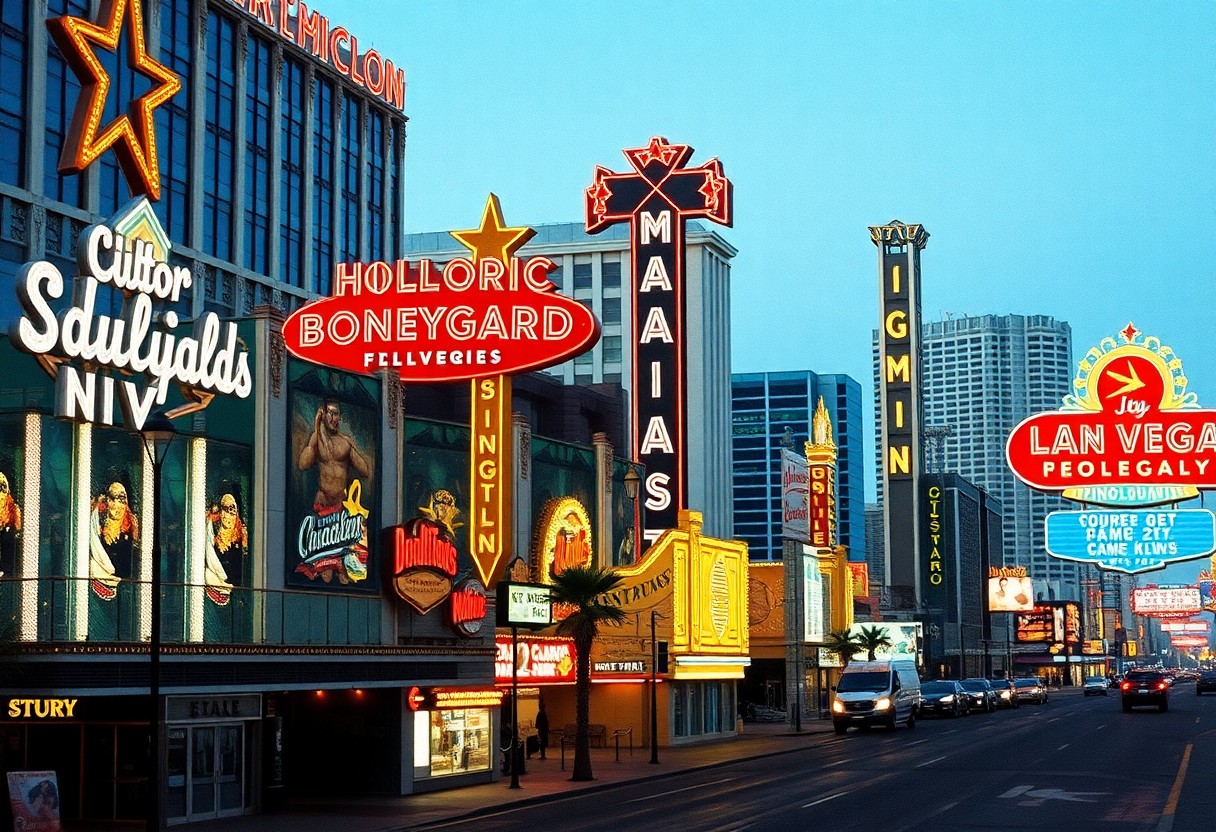
Little known to many, the Neon Boneyard offers an intimate glimpse into the city’s past through its collection of vintage signs. Additionally, the Mob Museum showcases the historic impact of organized crime, while the Old Las Vegas Mormon State Historic Park presents the early settlers’ story. Each site tells a unique tale worth unraveling.
Tips for an Engaging Experience
Any visit to historical sites is more fulfilling when you actively engage with the stories they tell. Consider these tips to enhance your exploration:
- Take guided tours for expert insights.
- Participate in interactive exhibits where available.
- Document your journey through photos or a travel journal.
Thou may also invite friends or family to enrich the experience with shared stories and perspectives.
Historical sites often provide opportunities for deeper connections to the past. Discuss what you learn with others or participate in community events that celebrate local history. This involvement can make your experience more rewarding:
- Engage with local historians for insider knowledge.
- Attend workshops or lectures related to Las Vegas history.
- Join local history groups for ongoing exploration.
Thou will likely develop a richer appreciation for the city’s heritage through these connections.
Navigating Historic Las Vegas Neighborhoods
Now that you’re eager to explore Las Vegas’ intriguing past, navigating its historic neighborhoods will offer you a deeper understanding of the city’s rich tapestry. Each district carries its own unique stories and architectural styles that reflect various eras of growth and change. As you wander through these areas, you’re likely to uncover hidden gems, local culture, and art that contribute to the city’s vibrant identity.
Noteworthy Districts to Discover
Historic neighborhoods such as Fremont East, West Las Vegas, and the Arts District showcase the diverse essence of Las Vegas. Each district offers a blend of old and new, with charming buildings alongside innovative art installations. As you venture through these areas, you will encounter fascinating landmarks that speak to the city’s past and present.
Cultural Significance of Each Area
Area exploration reveals how these neighborhoods have evolved over the years, reflecting social, economic, and cultural shifts. Each district has played a vital role in shaping Las Vegas into what it is today. You’ll gain insights into the stories of the people who lived and thrived here, enriching your experience and appreciation of the community.
Navigating through the cultural significance of each area allows you to grasp the broader narrative of Las Vegas’ history. For instance, Fremont East showcases the early days of entertainment and tourism, while West Las Vegas serves as a testament to African American culture and heritage. Delving into the local art scene in the Arts District exposes you to modern expressions that continue the city’s legacy of innovation. This journey through different neighborhoods not only informs you but also connects you with the spirit of Las Vegas.
Important Factors in Las Vegas History
Not everyone knows that the evolution of Las Vegas is intertwined with its unique geography and cultural shifts. Key factors include:
- The arrival of the railway in the early 1900s
- The legalization of gambling in 1931
- The influence of organized crime in the mid-20th century
- The rise of mega-resorts in the 1990s
After considering these elements, you gain a better understanding of what shaped this vibrant city.
The Role of Gaming and Entertainment
Assuming you associate Las Vegas primarily with gaming and entertainment, you’re spot on. From the establishment of the first casinos to the design of lavish shows, these elements have drawn millions of visitors. This entertainment landscape has not only defined the Las Vegas experience but has also powered its economy and propelled the city’s growth over decades.
Impact of Urban Development
Important to note is that urban development has drastically transformed Las Vegas from a barren desert to a bustling metropolis. The expansion of infrastructure, housing, and various amenities has mirrored the influx of visitors and new residents, shaping the city’s identity.
To truly grasp the impact of urban development, you should explore how changes in zoning laws, architectural trends, and shifts in population demographics have redefined the city’s landscape. Each new development or project not only serves a functional purpose but also reflects the evolving desires and needs of the community. This ongoing transformation continues to make Las Vegas a dynamic place to visit and live.
Tips for Researching Las Vegas History
All it takes to examine into Las Vegas history is a bit of curiosity and the right approach. Here are some tips to guide you:
- Utilize online databases and archives for primary sources.
- Visit local libraries for historical texts and maps.
- Join social media groups dedicated to Vegas history.
- Attend lectures or presentations by historians.
- Take guided tours that focus on historic landmarks.
Perceiving the rich tapestry of Las Vegas history requires active engagement and exploration.
Recommended Resources and References
One way to start your research is by consulting various resources. Look for books specifically about Las Vegas history, academic journals, and major newspapers that have covered the city over the decades. Online archives like the Nevada State Library and Museum can provide valuable documents and photographs to enrich your understanding.
Engaging with Local Historians
With the vibrant history of Las Vegas, connecting with local historians can enhance your research experience. Historians often have insights and anecdotes that aren’t found in books or online resources. Attend lectures, workshops, or join history clubs where these experts gather to share knowledge.
Plus, these historians often hold unique artifacts, personal collections, or access to rare documents that can give you a deeper understanding of the city’s past. Networking with them can lead to invaluable resources and even guided research opportunities that enhance your grasp of Las Vegas history. Don’t hesitate to reach out and ask questions; they’re usually eager to share their passion with you.

Experiencing Las Vegas Through the Ages
To truly capture the essence of Las Vegas, you’ll want to examine into its rich tapestry of history. From its humble beginnings as a railroad town to the dazzling entertainment capital it is today, understanding the city’s evolution provides a fascinating backdrop for your visit. Each era offers unique stories, vibrant culture, and character, inviting you to engage with the past while you navigate the streets filled with lights and life.
Events that Shaped the City
Little did anyone know that a series of landmark events would set the stage for Las Vegas as we know it. The establishment of the Hoover Dam in the 1930s brought an influx of workers and tourists, while the legalization of gambling in 1931 transformed the city into a major destination. Each pivotal moment enriches your understanding of Las Vegas’s development, making its history an integral part of your experience.
Unique Ways to Appreciate the Past
Now, exploring the history of Las Vegas can be an adventure in itself through various immersive experiences. From guided walking tours that lead you through historic neighborhoods to the fascinating exhibits in local museums, there are countless opportunities to connect with the city’s past. You can even enjoy themed shows that highlight significant eras in Las Vegas’s timeline.
Through these unique experiences, you engage with Las Vegas’s vibrant story in a memorable way. Opt for a vintage tour that showcases classic casinos or participate in interactive exhibits that highlight pivotal moments in the city’s history. Visiting the Mob Museum or the Neon Museum allows you to explore the influence of organized crime and neon signage on Las Vegas’s personality. Each of these activities will deepen your appreciation for the historical context that has shaped the Las Vegas you see today.
Conclusion
Ultimately, navigating the enigmatic history of Las Vegas can enrich your experience in the city. By exploring its diverse cultural influences, iconic landmarks, and evolving entertainment scene, you gain a deeper appreciation for what makes Las Vegas a unique destination. Equip yourself with knowledge from reputable sources like Las Vegas Travel Guides to enhance your journey through this vibrant city. Your adventure awaits, and understanding its captivating past will surely amplify your exploration of the present.




0 Comments