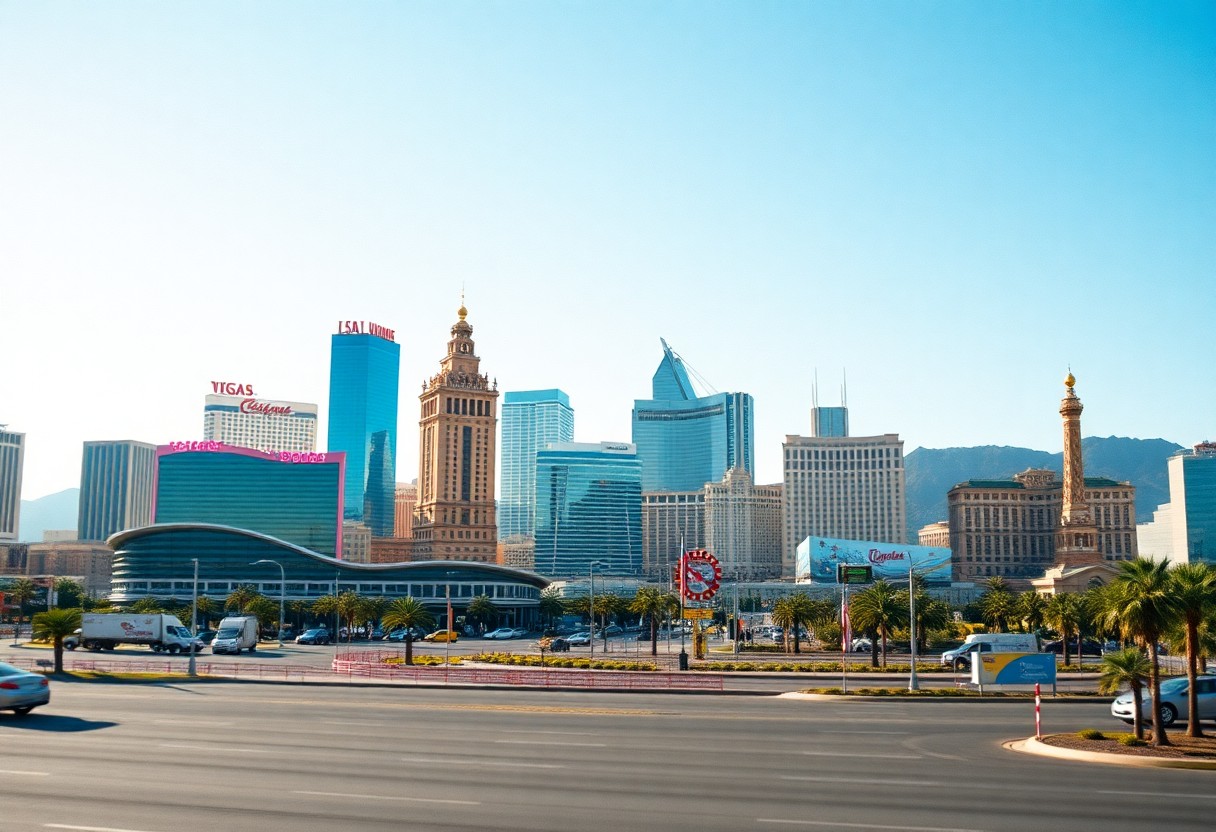
There’s a fascinating story behind the changing skyline of Las Vegas that reflects the city’s transformation over the decades. As you explore this vibrant landscape, you’ll discover how architectural trends, iconic landmarks, and ambitious projects have shaped your experience of the Strip. To research deeper into this evolution, you can check out Once Upon a Skyline: The Story of Las Vegas Strip …, which provides insights into how this dazzling cityscape has evolved from modest beginnings to its current grandeur.
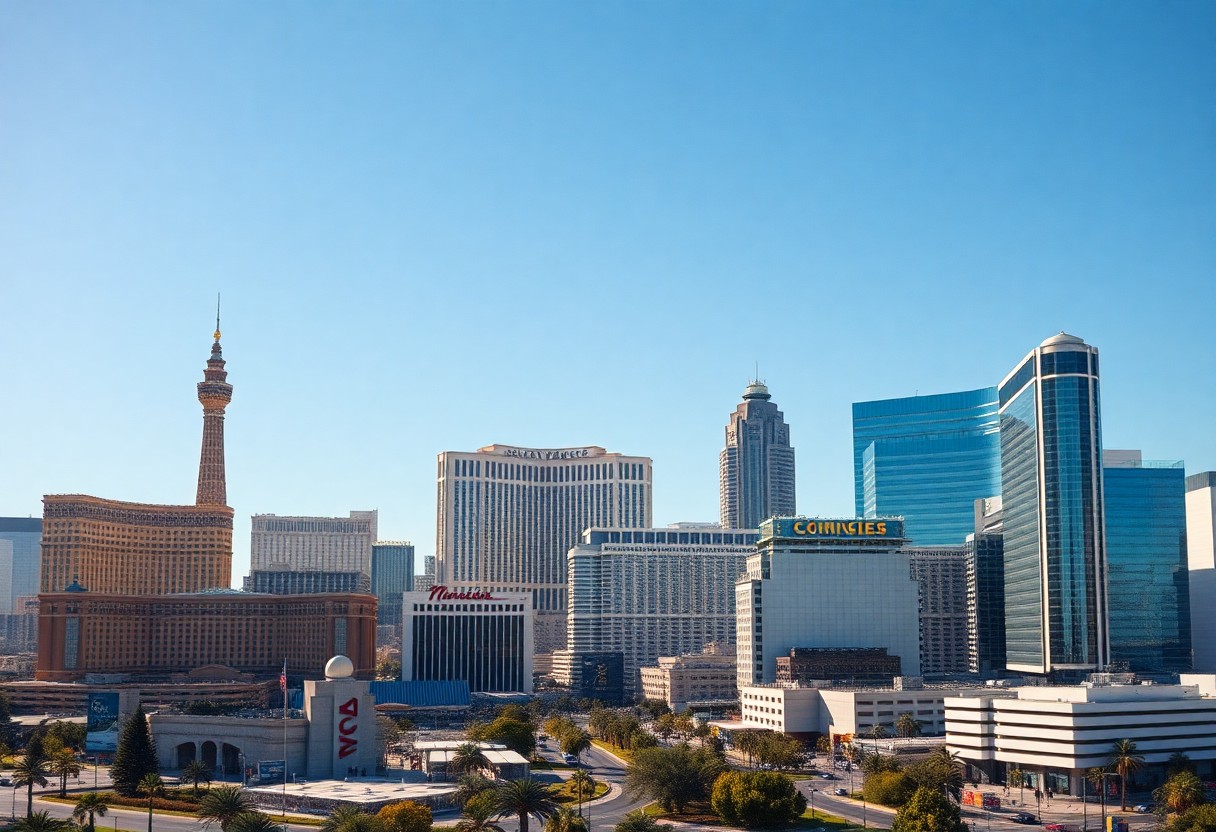
The Early Years: Las Vegas Before the Strip
While Las Vegas may be synonymous with extravagant hotels and bustling entertainment today, its origins were far more modest. Before the glitz of the Strip, Las Vegas was a small desert town characterized by its natural springs and early settlers. Your understanding of this transformative period is key to appreciating the evolution of the city’s skyline and culture, setting the foundation for what would eventually become a world-renowned destination.
The Birth of Gambling and Its Influence
On the heels of Nevada legalizing gambling in 1931, Las Vegas began to attract individuals seeking fortune and recreation. You can see how this pivotal moment paved the way for a burgeoning entertainment industry that would shape the city’s identity. The influx of money and visitors laid the groundwork for an explosive growth that defined the future of Las Vegas.
The Impact of World War II
Above the challenges of the Great Depression, World War II played a significant role in altering Las Vegas’s trajectory. You might be surprised to learn that the city served as a training ground for military personnel, leading to an increase in local population and economic activity. As soldiers returned home, they brought new ideas and a desire for entertainment, forever changing the landscape.
Early in the war, Las Vegas experienced a surge in demand due to military installations nearby, which contributed to its development. With the leisure industry booming after the war, returning servicemen began to envision a different future for the city, sparking investments in hotels, casinos, and tourist attractions. As a result, you can trace the influence of this period in the evolution of Las Vegas’s skyline, where ambitions for larger-than-life constructions began to take shape.
The Rise of the Strip: 1950s-1960s
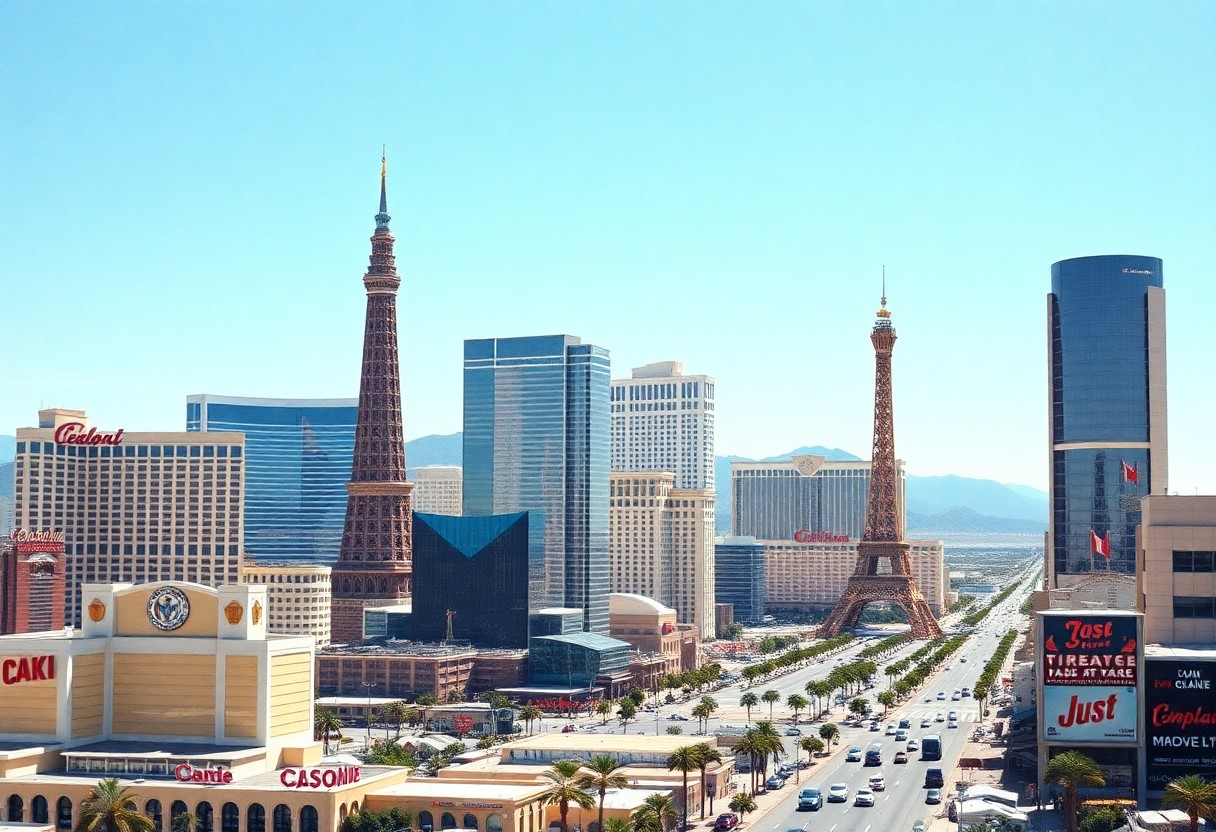
Clearly, the 1950s and 1960s marked a transformative period for Las Vegas as the iconic Strip began to take shape. This era saw the emergence of lavish resorts and casinos that attracted visitors from all over the world, setting a new standard for entertainment and luxury. To explore more about this fascinating history, check out Las Vegas History: A Complete Guide from Past to Present.
Iconic Hotels and Their Architectural Styles
Hotels during this era were a reflection of changing tastes and architectural evolution, ranging from mid-century modern designs to opulent themes inspired by ancient civilizations. These luxurious establishments, such as the Tropicana and the Sands, not only provided premium accommodations but also introduced spectacular dining and entertainment options, solidifying Las Vegas as an important destination for travelers.
The Birth of the Neon Landscape
Any visit to the Strip in the 1950s and 1960s would have dazzled you with an explosion of color from neon signs that illuminated the night sky. These bright, eye-catching displays quickly became synonymous with Las Vegas’ identity, captivating visitors and transforming the city into an iconic cultural landmark.
Further, the neon landscape played a vital role in defining the character of Las Vegas. With creative designs representing the hotels and casinos, these illuminated signs conveyed a sense of excitement and wonder. As you stroll along the Strip, you can still see remnants of this neon legacy, which continue to evoke the magic of the city’s glamorous past while inviting you to partake in its present allure.
The Architectural Boom: 1970s-1980s
Now, as you examine into the skyline of Las Vegas during the 1970s and 1980s, it’s evident that an architectural revolution was taking place. This era saw a surge in extravagant designs and ambitious structures, signaling a shift from traditional casino buildings to vibrant, thematic resorts that redefined the city’s identity. The iconic high-rises began to emerge, reshaping not just the skyline but also the cultural landscape of Las Vegas.
Themed Resorts and Their Cultural Significance
Among the most notable features of this architectural boom were the themed resorts that emerged, each designed to transport you to a different world. From the Venetian’s romantic canals to the Luxor’s towering pyramid, these creations offered a unique blend of entertainment and experience, reflecting broader cultural trends and fantasies. This trend not only attracted visitors seeking escapism but also cemented Las Vegas as a premier destination for leisure and adventure.
Skyscrapers and Modernity in Vegas
Below this surface of whimsical themes, the introduction of skyscrapers marked a new era of modernity in Las Vegas. The structures that began to punctuate the skyline represented not only luxury and wealth but also the city’s ambition to compete with global urban centers. These tall buildings brought a new sense of sophistication and cosmopolitan flair to the city’s character.
A combination of impressive height and sleek design, the skyscrapers of the 1970s and 1980s symbolized a forward-thinking attitude. They prompted a reevaluation of the Las Vegas atmosphere, shifting perceptions from simply a gambling hub to a vibrant city with diverse offerings. As you explore this transformation, you’ll notice how these buildings integrated commercial spaces, luxury residences, and striking artistic elements, setting a foundation for the modern skyline that captures the essence of Las Vegas today.
The Turn of the Century: 1990s-2000s
Your experience of Las Vegas at the turn of the century reveals a skyline filled with mega-resorts, altering the landscape forever. This era saw the transformation of the Strip into a playground of extravagant hotels and entertainment options, making it a global icon. For rare photos reveal how Las Vegas has transformed over the years, showcasing its rise from modest beginnings to a luxurious destination.
Mega-Resorts and the Changing Skyline
Between the 1990s and 2000s, Las Vegas welcomed an array of mega-resorts that redefined its skyline. Iconic structures like the Bellagio and Wynn Las Vegas emerged, bringing unparalleled luxury and accommodations, sparking an ever-present competition to capture the attention of visitors. This new batch of resorts not only heightened the city’s allure but also influenced architectural trends worldwide.
Innovations in Design and Construction
Beside the rise of mega-resorts, the 1990s and 2000s marked remarkable innovations in design and construction techniques. Architects and engineers embraced cutting-edge technology, allowing for larger-than-life structures that blended creativity with functionality. The shift in approach resulted in unique features, such as elaborate fountains and themed environments, seamlessly integrated into the sprawling casino landscapes.
Design innovations during this period paved the way for a bold architectural renaissance in Las Vegas. Dynamic lighting, themed experiences, and sustainable materials became focal points, reflecting both luxury and a commitment to environmental consciousness. You can see this transformation reflected in each resort’s distinct identity, further enhancing the city’s vibrant skyline that continued to evolve with each passing year.
The 2010s: Sustainability and Adaptation
Unlike previous decades focused solely on grandeur, the 2010s saw Las Vegas embracing sustainability and adaptive reuse as important elements in its skyline evolution. As you explored the city, you likely noticed how modern designs integrated eco-friendly practices, responding to a growing awareness of environmental impact while retaining the spirit of entertainment that defines Las Vegas.
Green Building Initiatives
Around this time, numerous green building initiatives emerged, encouraging the development of energy-efficient structures and sustainable tourism. You might have observed hotels and casinos making significant investments in solar energy, water conservation technologies, and eco-friendly materials, transforming the skyline into a model of sustainable urban design while enhancing your experience as a visitor.
The Revival of Vintage Vegas
To pay homage to the city’s storied past, you witnessed the revival of vintage Vegas, where developers and preservationists focused on restoring iconic landmarks. This movement not only brought nostalgic charm back to the Strip but also created a unique juxtaposition between the old and the new that enriches your visit.
Further contributing to this revival, many classic properties were thoughtfully renovated, retaining their historic elements while incorporating modern amenities. As you strolled through the Strip or visited Downtown Las Vegas, you likely felt the nostalgic atmosphere blending with contemporary energy, preserving the essence of vintage glamour while inviting a new generation to appreciate the city’s rich history. This revitalizing trend not only enhances your experience but also strengthens the city’s cultural identity, proving that even in a city known for its ever-changing landscape, a connection to the past can coexist beautifully with modernity.
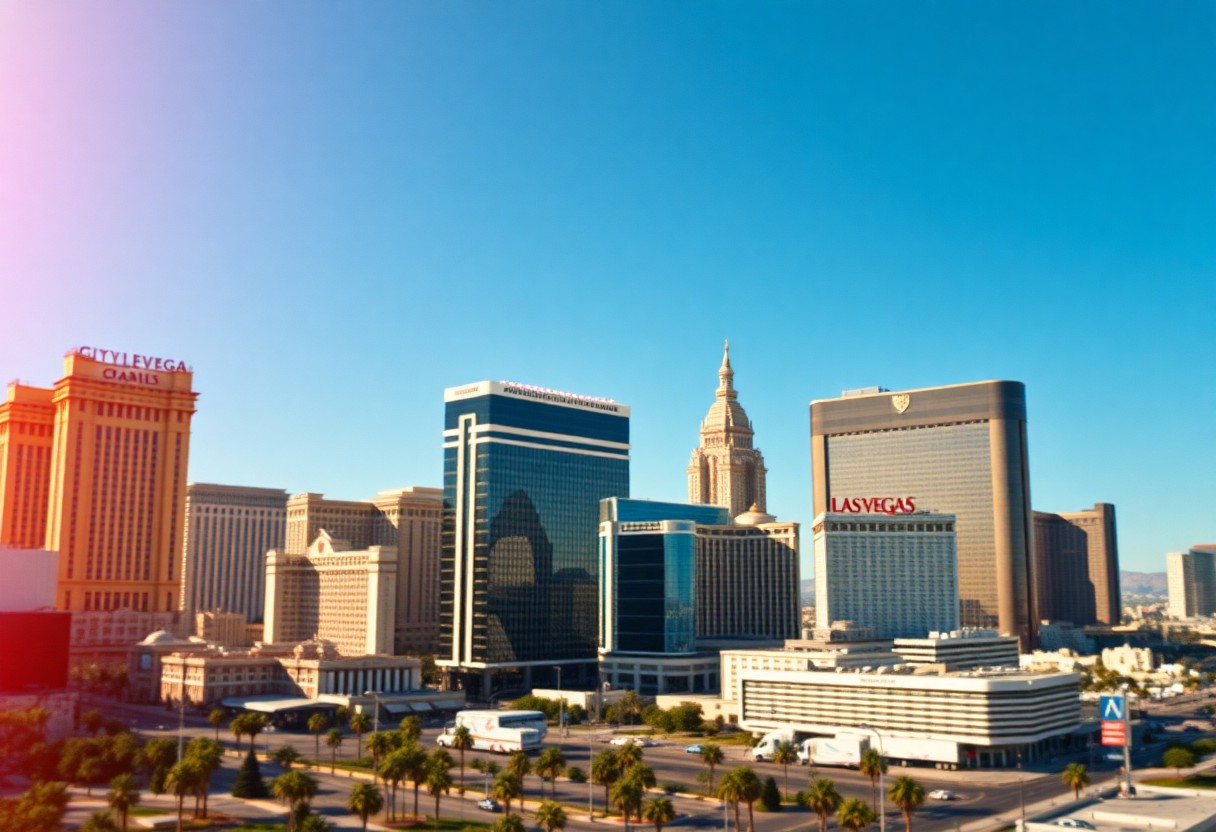
The Future Vision: What’s Next for Las Vegas?
To envision the future of Las Vegas is to consider the exciting possibilities that lie ahead. As the city seeks to enhance its skyline and urban landscape, it focuses on sustainable growth, innovative architecture, and creating immersive experiences for residents and visitors alike. With an emphasis on blending modernity with the city’s rich history, you can anticipate a Las Vegas that remains vibrant and forward-thinking.
Upcoming Projects and Expansions
Vegas is buzzing with upcoming projects that promise to reshape its skyline. Notable developments include luxury resorts, mixed-use complexes, and entertainment venues designed to elevate the visitor experience. As these projects unfold, you’ll witness the fusion of architectural creativity and functionality that defines the evolving Las Vegas landscape.
The Role of Technology in Urban Development
Urban technology is transforming the way cities are designed and developed, making spaces more efficient and interconnected.
Development in urban technology is geared towards enhancing the quality of life in Las Vegas. Smart city initiatives, such as integrated transportation systems and energy-efficient buildings, provide you with improved accessibility and sustainability. The use of data analytics and IoT devices allows city planners to make informed decisions, ensuring that your urban environment remains adaptable to changing needs. You’ll soon notice how technology elevates not only the infrastructure but also the overall experience of living and visiting Las Vegas.
Final Words
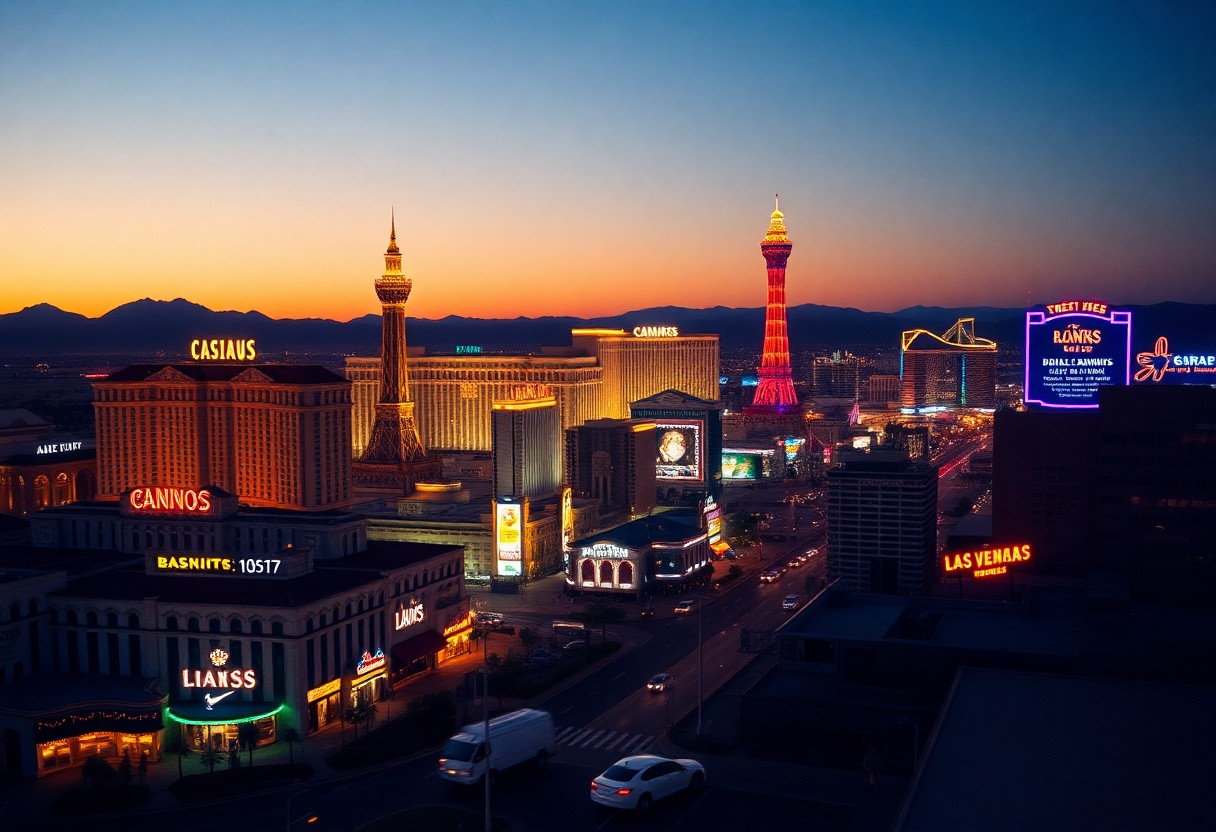
From above, you can appreciate how the Las Vegas skyline has dramatically transformed over the decades, reflecting changing cultural trends and architectural innovations. Each new structure tells a story of ambition and creativity, inviting you to explore the unique experiences they offer. As you look back on the evolution of this iconic city, you gain insight into the visionaries who shaped its landscape and the vibrant future that lies ahead. Embracing these changes allows you to appreciate the dynamic spirit of Las Vegas and how it continues to redefine itself.

0 Comments