
It’s fascinating to explore how a remote desert settlement transformed into the dazzling entertainment capital of the world—Las Vegas. You will discover the pivotal moments that shaped its rise, from early indigenous cultures and the establishment of railroads to post-war development and the explosion of the casino industry. As you journey through its vibrant history, you will gain insight into the key figures and events that helped mold this iconic city into a premier destination for entertainment and tourism, a true testament to innovation and resilience.
Early Beginnings
Before Las Vegas evolved into the vibrant entertainment hub you know today, it was a desolate desert landscape, rich in history and culture. The area was initially recognized for its natural springs, which provided a vital water source for travelers and native tribes. You can trace the roots of Las Vegas back to the early 1900s, when the merging of exploration and settlement began to shape the city’s destiny.
The Desert Landscape
One of the striking features of early Las Vegas was its harsh desert environment, characterized by arid conditions, sprawling sand dunes, and the majestic Spring Mountains. This unique landscape, while seemingly inhospitable, provided imperative resources, including fertile valleys that attracted early settlers and nomadic tribes. You may be surprised to learn how these natural elements would play a significant role in the development of the area.
Indigenous Cultures
Above this rugged terrain, various indigenous cultures thrived, adapting to the desert environment with remarkable resilience. Tribes such as the Paiutes and the Mojaves inhabited the region long before European exploration, relying on the land for sustenance and crafting a rich tapestry of traditions.
Hence, understanding the indigenous cultures is imperative for appreciating Las Vegas’s early history. These tribes established an intricate connection to the land, utilizing its resources for food, shelter, and trade. You would encounter their legacy in cultural practices and stories, which have shaped the identity of the region. This foundation highlights how the indigenous people laid the groundwork for the future community that would rise from the desert sands.
The Birth of Las Vegas
You may be curious about how Las Vegas transformed from a barren desert into a vibrant city. The birth of Las Vegas can be traced back to its strategic location and the vision of its early settlers. Initially, it was just a watering stop for travelers and explorers in the mid-1800s, but it evolved rapidly into a thriving community thanks to its unique amenities and burgeoning opportunities.
The Arrival of the Railroad
Across the desert landscape, the arrival of the railroad in 1905 marked a significant turning point for Las Vegas. This new transportation method not only linked the city to larger markets but also attracted residents and visitors alike, opening the door to commerce and development. As the railroad expanded, so too did the potential for Las Vegas to become a bustling hub of activity.
The Establishment of the Town
Below the arid expanse, the establishment of Las Vegas began in earnest when a group of visionaries set out to create a town. The influx of settlers, drawn by the promise of fertile land and a promising future, laid the groundwork for a vibrant community. With the establishment of businesses, schools, and churches, the town quickly began to take shape, inviting people from various backgrounds to call it home.
Establishment of the town was driven by the efforts of early pioneers who built vital infrastructure and fostered a sense of community. The burgeoning population, coupled with the construction of the first railway line, contributed to the economic growth of Las Vegas. As businesses flourished and amenities expanded, a new identity emerged for what was once just a desolate outpost. This foundation paved the way for Las Vegas to thrive and transform into a destination that would capture the imagination of many.
The Rise of Gambling
Assuming you are delving into the history of Las Vegas, you will find that the rise of gambling transformed the city into the entertainment capital of the world. After the construction of the Hoover Dam in the 1930s, the influx of workers and tourists provided a fertile ground for casinos to flourish. With the Glitz and glamour of luxurious establishments, gambling quickly became a hallmark of Las Vegas culture, shaping its identity and attracting visitors from around the globe.
Legalization and Its Impact
On March 19, 1931, Nevada legalized gambling, which played a pivotal role in reshaping the economy of Las Vegas. This legislative move allowed casinos to operate legally, attracting entrepreneurs who sought to capitalize on the booming tourism industry. As a result, you see an influx of casinos that not only provided entertainment but also became a significant source of revenue for the state, laying the groundwork for Las Vegas’s eventual transformation into a major resort destination.
The Influence of Mobsters
Among the key players in the development of Las Vegas gambling were mobsters, who saw an opportunity to invest in the newly legitimized gaming industry. These figures brought with them not only capital but also a network of connections that would help popularize casino culture. Their involvement significantly impacted the operations of many early Strip casinos, introducing a level of excitement and notoriety that would subsequently define Las Vegas.
Further investigations reveal that the influence of mobsters was not just financial; they transformed the ethos of Las Vegas into one of risk and reward. Figures like Bugsy Siegel were integral in the creation of iconic hotels and casinos such as The Flamingo, which combined luxury with the thrill of gambling. Their methods, often involving intimidation and corruption, created a backdrop for the notorious reputation Las Vegas holds. Yet, this presence also inadvertently contributed to the city’s allure, ultimately drawing millions of visitors eager to experience the glitzy lifestyle that arose from the shadowy underworld.
The Golden Age of Las Vegas
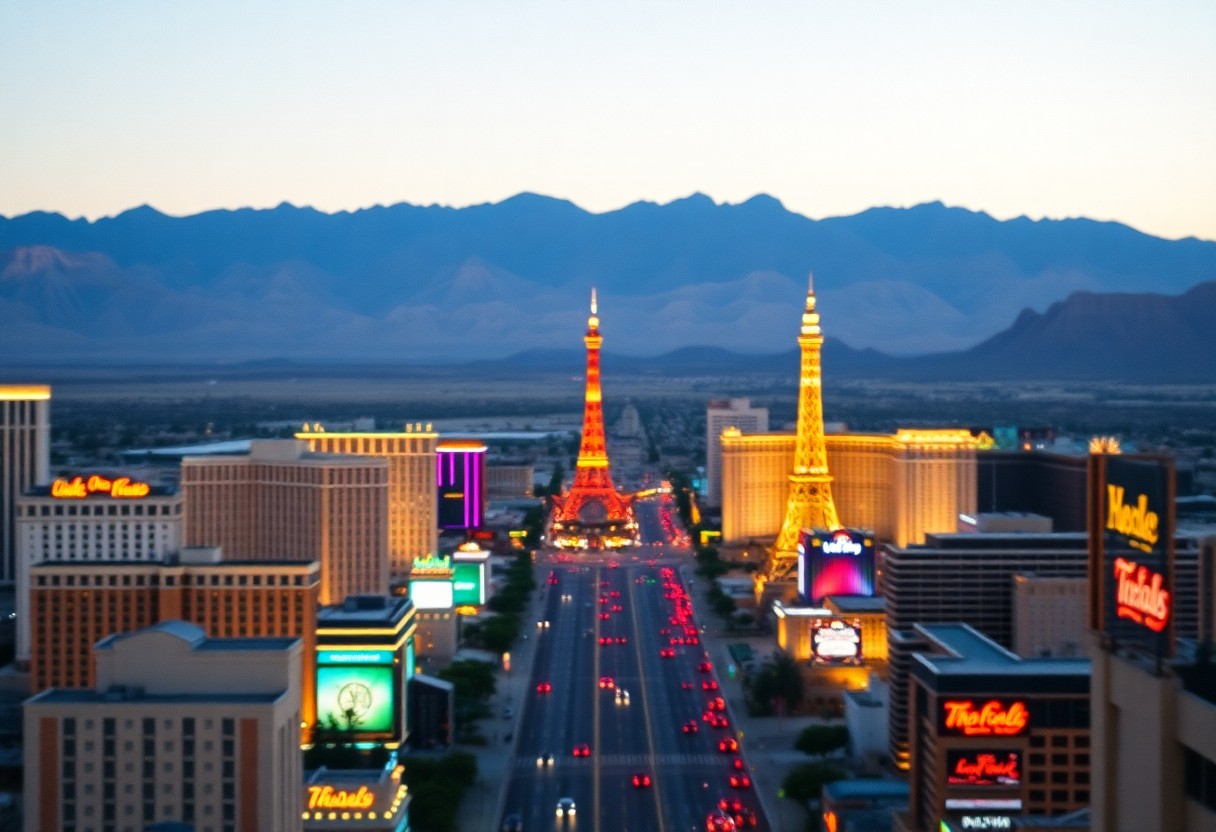
Not many places in the world have transformed as dramatically as Las Vegas during its Golden Age, which boomed in the mid-20th century. This era was defined by a surge of opulent casinos and themed hotels, making the city synonymous with glamour and extravagance. You could experience a unique blend of luxury and entertainment, where the allure of neon lights and endless opportunities for fun would captivate your senses, shaping Las Vegas into the world-renowned destination it is today.
Iconic Hotels and Casinos
Any visit to Las Vegas would feel incomplete without stepping into its iconic hotels and casinos, which became architectural masterpieces embodying the spirit of the city. You might find yourself traversing the lavish hallways of the famous Bellagio, admiring its stunning fountains, or exploring the Venetian’s enchanting canals. Each destination offers a unique atmosphere, promising you unforgettable experiences and memories that will last a lifetime.
Entertainment and Showbiz
Below the surface of glittering lights and bustling casinos lies an even deeper layer of entertainment that Las Vegas offers. You have the chance to witness world-class performances ranging from legendary musical acts to spectacular acrobatics in Cirque du Soleil shows. The city rapidly evolved into a haven for those seeking thrilling live entertainment, inviting you to indulge in unforgettable experiences filled with charisma and talent.
Understanding the importance of entertainment in Las Vegas adds new depth to your experience. The city has attracted iconic performers such as Frank Sinatra and Elvis Presley, setting a standard for showbiz that influenced countless entertainers. You are part of a continuum that enjoys not just shows, but the very culture of performance that thrives here. It’s not just entertainment; it’s a celebration of artistry that beckons you to partake in the magic of Las Vegas.
Modern Las Vegas
Unlike its humble beginnings as a watering hole for travelers, modern Las Vegas has transformed into a bustling metropolis, renowned for its vibrant nightlife, world-class entertainment, and lavish resorts. The city now attracts millions of visitors each year, drawing them in with its captivating experiences and unmatched attractions. Though gambling remains a core draw, Las Vegas has expanded its appeal through diverse entertainment options and rich cultural offerings, ensuring that there is something for everyone when you visit.
Economic Diversification
Among the many changes that characterize contemporary Las Vegas is its economic diversification. While the gaming industry is still a significant component of the local economy, sectors such as tourism, conventions, and dining have grown tremendously. This shift not only stabilizes the city’s economy but also creates new job opportunities for residents, enhancing the overall quality of life in the metropolitan area.
The Role of Technology
After establishing its reputation as a premier entertainment hub, Las Vegas embraced technology to further enhance visitor experiences and streamline operations within the city.
Vegas stands at the forefront of technological innovation, with casinos and hotels integrating cutting-edge solutions to improve both efficiency and customer satisfaction. From mobile apps that allow you to book a room or make reservations at popular restaurants to interactive gaming options, technology shapes every aspect of the city. Additionally, advancements in virtual and augmented reality provide unique experiences like immersive shows and tours that you simply can’t find elsewhere. Embracing technology has not only modernized the city but has also reinforced its status as an entertainment powerhouse.
Cultural Significance
For many, Las Vegas symbolizes the essence of entertainment, reflecting a vibrant tapestry of diverse cultural influences. The city has become a melting pot where you can explore various traditions, cuisines, and art forms. As you walk through the Strip or visit Downtown, you’ll discover the impact of these cultural elements, which create a unique atmosphere that attracts millions. Las Vegas serves not only as a backdrop for leisure but also as a stage for cultural exchange, showcasing the city’s evolution from a desert outpost to a global entertainment hub.
Events and Festivals
The city hosts a variety of events and festivals throughout the year, drawing visitors from around the world. With celebrations like the Las Vegas Food & Wine Festival and the Life is Beautiful festival, you can immerse yourself in music, culinary delights, and artistic expression. Each event reflects the city’s dynamic spirit, offering unforgettable experiences that showcase its cultural diversity. You can partake in lively street performances, renowned artists, and exquisite gastronomy, adding to the electric atmosphere of Las Vegas.
Art and Architecture
With each visit to Las Vegas, you’ll be struck by the city’s stunning art and architectural designs. Iconic structures like the Bellagio and the Neon Boneyard serve as testaments to the innovative spirit that defines the city. As you explore, you will encounter a range of artistic expressions, from contemporary galleries to acclaimed public art installations that inspire and provoke thought. This blend of artistry and architectural brilliance not only enhances your experience but also reflects the rich heritage and aspiration of a city that continues to reinvent itself.
Festivals honoring the art scene in Las Vegas further enhance the cultural significance of the city. Celebrations like First Friday showcase local artists and musicians, transforming neighborhoods into lively galleries and performance spaces. You have the chance to engage with creative talent and witness the city’s commitment to art. Whether it’s through visual arts, street performances, or installations, these festivals demonstrate how Las Vegas nourishes its creative community, positioning itself as a vital player in the contemporary art world and enhancing your understanding of the city’s cultural landscape.
Summing up
So, as you explore the fascinating transformation of Las Vegas from a barren desert to the world’s entertainment capital, you gain insight into the city’s unique blend of history, culture, and innovation. Understanding this evolution not only enhances your appreciation for the dazzling lights and attractions but also connects you to the stories and the people who shaped this iconic destination. Each visit can become a journey through time, allowing you to witness firsthand the resilience and creativity that continue to define Las Vegas today.




0 Comments