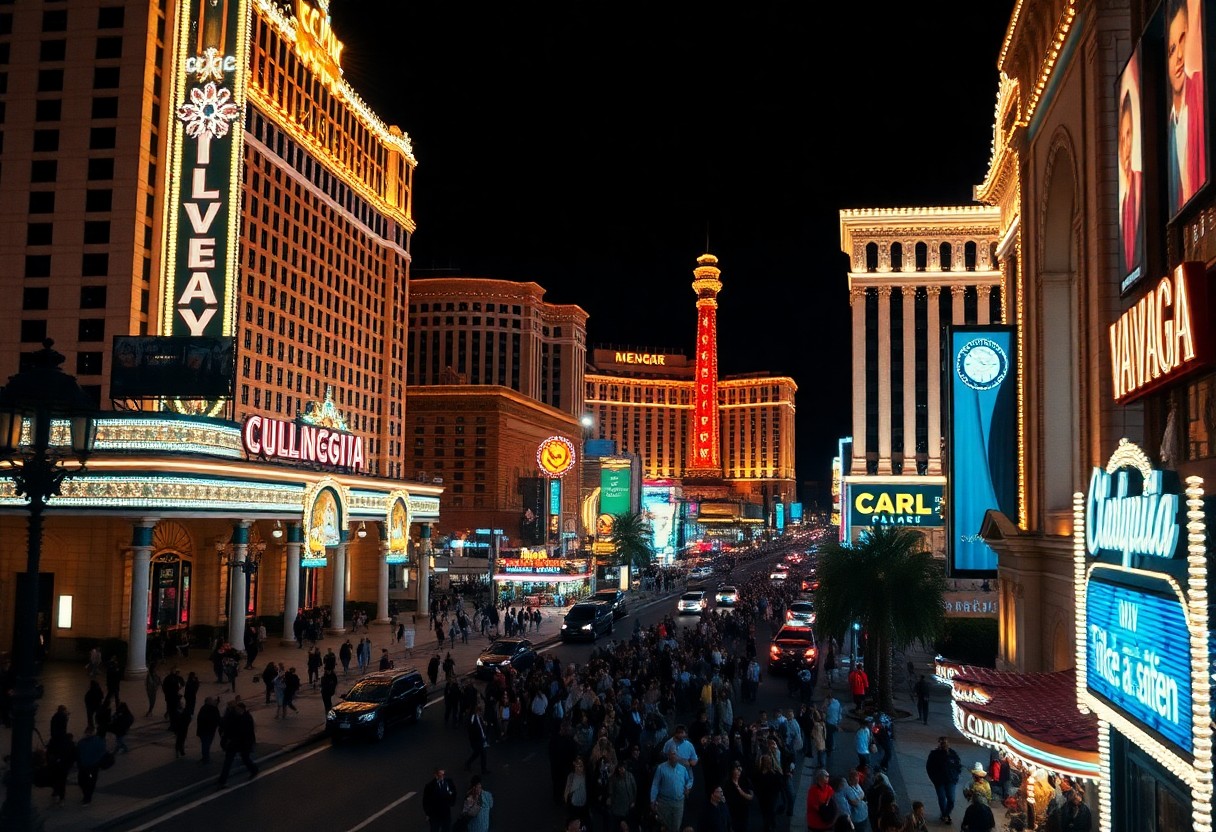
There’s a fascinating story behind how Las Vegas rose to prominence as the entertainment capital of the world. As you explore the city’s vibrant history, you’ll discover the key developments and influential figures that transformed this desert town into a global entertainment hub. From its early beginnings to iconic casinos and performances, you’ll gain insight into the unique blend of culture, ambition, and innovation that attracts millions of visitors each year. Join us as we explore into the factors that shaped Las Vegas into the dazzling destination it is today.
The Evolution of Las Vegas: From Desert Town to Neon Oasis
The journey of Las Vegas is a remarkable transformation from a small desert town to a vibrant neon-lit oasis. Initially just a watering stop for pioneers making their way westward, Las Vegas blossomed into a bustling city after the establishment of casinos and lavish resorts in the mid-20th century. As each decade passed, it developed a reputation for entertainment, attracting visitors from around the globe, eager to experience its magic and allure. Today, the city stands as an icon of extravagance and nightlife, embodying a unique blend of history and innovation.
The Historical Context: A Brief Look at Nevada’s Origins
Nevada’s origins date back to its designation as a territory in 1861, and it became a state in 1864. Initially, the region was primarily inhabited by Native American tribes, and it later drew in settlers during the silver rush. The discovery of precious minerals spurred migration, laying the groundwork for what would eventually evolve into a thriving economy. Las Vegas, established in 1905, emerged as a pivotal location due to its strategic importance along the Los Angeles to Salt Lake City route.
The Role of Transportation: Railroads and Highways in Development
The development of transportation networks was integral to Las Vegas’s ascent. The arrival of the railroad in 1905 was a game-changer, connecting the city to wider markets and facilitating travel. Additionally, the construction of major highways, particularly the Hoover Dam project in the 1930s, brought an influx of tourists and boosted economic growth. These advancements not only made Las Vegas accessible but also helped it cultivate a unique identity as a vibrant stopover on America’s highways.
As the railroads expanded, Las Vegas turned into a vital point along the nation’s transportation system. The San Pedro, Los Angeles, and Salt Lake Railroad allowed for easy travel for both goods and people, promoting commerce and tourism. Highway development followed suit, especially with the 1956 Federal Aid Highway Act, which paved the way for Interstate 15, making it simpler for visitors to reach this burgeoning oasis. This connectivity laid the foundation for the entertainment industry, as more visitors flocked to enjoy the attractions that Las Vegas had to offer, ensuring its place on the map as a premier destination.
The Gaming Boom: How Casinos Transformed the Economy
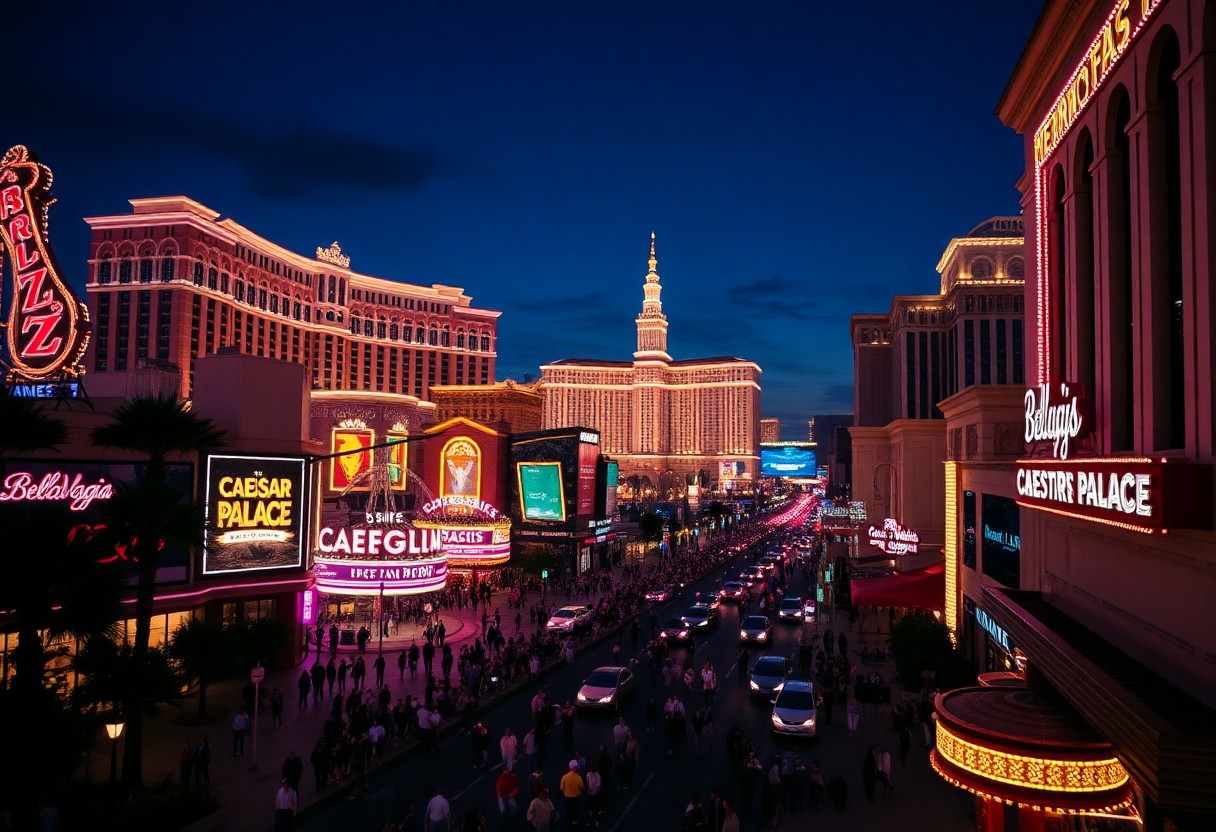
The eruption of the gaming industry in Las Vegas during the latter half of the 20th century was nothing short of a revolution. Casinos became the cornerstone of the city’s economy, driving up job creation, tourism, and local businesses. With the glitzy neon lights drawing millions of visitors each year, the gaming boom positioned Las Vegas as a vibrant economic engine, enhancing its reputation globally. This new era not only flooded the city with cash but also diversified its economic base beyond just tourism, as related services and entertainment began to flourish alongside the casinos.
The Legalization of Gambling: A Game Changer for the City
The pivotal moment for Las Vegas came in 1931 when Nevada legalized gambling during the Great Depression. This decision laid the foundation for the city’s transformation into a gambling mecca, attracting entrepreneurs and investors who saw the potential for immense profit. As casinos sprang up, they turned the city into a haven for thrill-seekers and dreamers, setting the stage for the gaming boom. By legitimizing gambling, Las Vegas not only provided a lucrative source of revenue for the state but also created an unforgettable entertainment hub that people flocked to from around the world.
Key Players: The Moguls Behind Las Vegas Casinos
The Las Vegas skyline is dotted with the legacies of powerful moguls who have shaped the gaming landscape. Figures like Bugsy Siegel, whose vision helped launch the Flamingo in 1946, and later tycoons like Steve Wynn and Sheldon Adelson, played instrumental roles in expanding and refining the casino experience. Their aggressive strategies and willingness to innovate made Las Vegas not only a gambling hotspot but also a luxurious destination synonymous with high-profile entertainment.
Bugsy Siegel, often credited with the modern inception of Las Vegas, saw the potential of turning the desert into a glamorous escape. His Flamingo Hotel inspired others, leading to a wave of iconic resorts. Steve Wynn further transformed the Strip with properties like The Mirage and Bellagio, infusing art and luxury into the gaming experience. Similarly, Sheldon Adelson’s Venetian Resort brought a taste of Venice to the desert, demonstrating how creative visions could raise the bar. These moguls, among others, have carved a lasting legacy, intertwining their fates with Las Vegas, repeatedly redefining what a casino could be.
Showcasing Entertainment: The Birth of the Las Vegas Strip
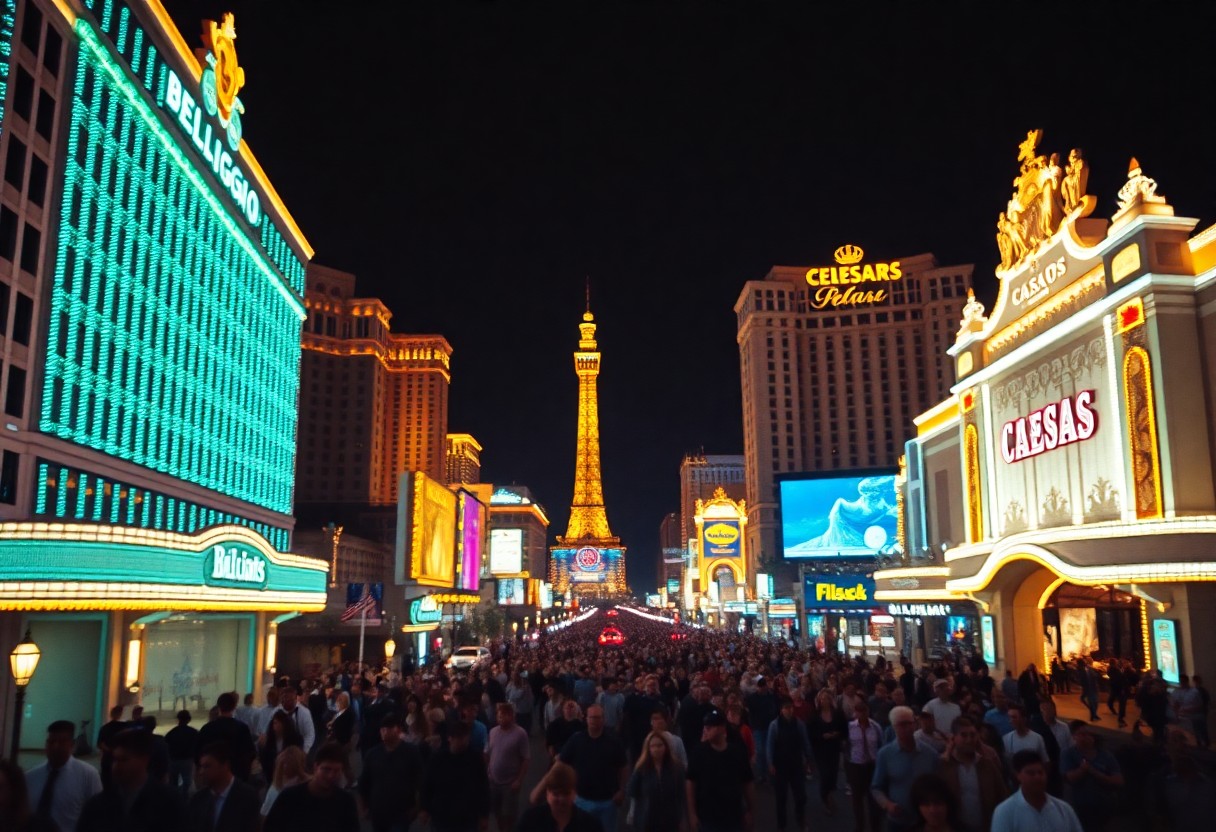
The Las Vegas Strip emerged as a beacon of entertainment, where glitzy casinos, extravagant shows, and themed hotels transformed the landscape into an adult playground. Beginning in the 1940s, with venues like the El Rancho Vegas, the Strip quickly evolved into a hub for world-class acts, luxury accommodations, and culinary delights. As iconic hotels sprang up along this famous stretch, the Strip became synonymous with high-energy entertainment, drawing millions of visitors each year who sought an unforgettable experience away from the ordinary.
Iconic Hotels and Their Impact on Tourism
Each iconic hotel on the Strip, from the Bellagio to the Venetian, has played a vital role in attracting tourists and enhancing Las Vegas’s reputation. They offer luxurious accommodations, breathtaking architecture, and unique experiences, contributing to the allure that keeps visitors coming back. Not only do these hotels provide a place to stay, but they also present world-class entertainment options, fine dining, and immersive themed environments that create a destination unlike any other.
The Shift from Gambling to Entertainment: A New Paradigm
The transformation from a solely gambling-centric model to a multifaceted entertainment hub marked a pivotal shift for Las Vegas. This change solidified the city’s status as a premier destination for diverse entertainment options designed to appeal to a broader audience, including families, couples, and solo travelers.
This new paradigm began to take shape in the 1990s as resort developers recognized the potential of entertainment beyond gaming. Las Vegas began investing in headliner shows, Cirque du Soleil productions, and major concerts, bringing in big-name artists, thereby diversifying the appeal. By integrating shopping, dining, and entertainment into the experience, Las Vegas catered not just to gamblers but to anyone looking for a unique getaway. As a result, the city has expanded its annual visitor count to over 42 million, fostering a vibrant tourism ecosystem where the thrill of entertainment outshined traditional gambling alone.
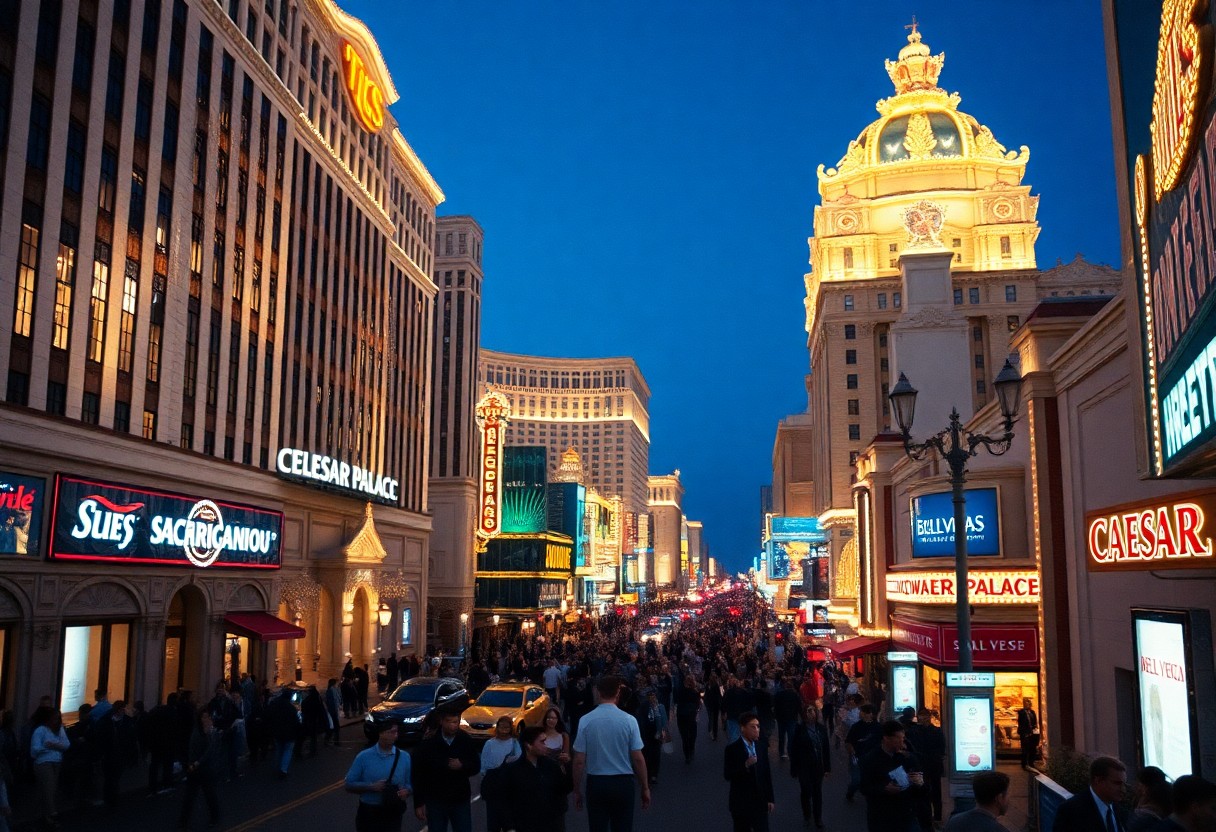
Attracting the Stars: Musical Legends and Celebrity Culture
Las Vegas has become a magnet for musical legends and A-list celebrities, drawing their dazzling performances to its famed stages. From Elvis Presley’s pioneering residency at the International Hotel to contemporary icons like Celine Dion and Lady Gaga, the city has successfully transformed itself into a haven for star-studded entertainment. This phenomenon not only enhances the glamour of Las Vegas but also cultivates a culture where fans from around the globe converge to witness live performances by their favorite artists in an unforgettable atmosphere.
The Influence of Iconic Performers on Las Vegas’ Identity
Legendary performers like Frank Sinatra and Diana Ross have significantly shaped the identity of Las Vegas, imbuing the city with a sense of prestige and allure. Their performances have established high standards for entertainment in the region, making it synonymous with celebrity culture. Each iconic artist brings unique flair, forever linking their legacy to the dazzling lights of the Strip and influencing generations of performers who aspire to capture that same magic.
The Rise of Residency Shows: A New Era of Performance
Residency shows have revolutionized the live entertainment scene in Las Vegas, offering artists the chance to deliver curated performances over extended periods. This trend not only provides fans with more opportunities to see their favorite stars but also allows performers to create intricate, cohesive shows tailored to the audience’s tastes. Iconic residencies from artists like Britney Spears and Elton John have set the stage for future talents, solidifying Las Vegas as the premier destination for live music and performance art.
The rise of residency shows in Las Vegas reflects a significant shift in the music industry, marrying the traditional concert experience with theatricality. Artists now occupy luxury venues for months at a time, creating a sense of intimacy and exclusivity rarely found elsewhere. These lengthy engagements attract a diverse audience, encouraging repeat visits and stimulating local economies. Successful residencies often incorporate elaborate stage designs, innovative choreography, and immersive storytelling, transforming a simple concert into a full-fledged entertainment experience. For many viewers, these performances become unforgettable memories, contributing to the city’s allure and establishing Las Vegas as the ultimate home for quality entertainment.
The Impacts of Global Events on the Entertainment Landscape
Las Vegas’s position as a global entertainment hub is often influenced by significant global events. From economic crises to public health emergencies, these dynamics can dramatically reshape the entertainment landscape. In times of uncertainty, Las Vegas has shown resilience by adapting its offerings, maintaining its allure for both tourists and locals, and ensuring that the city remains a vibrant playground for entertainment enthusiasts.
How Economic Downturns and Recovery Shaped the Scene
Economic downturns have previously caused fluctuations in Las Vegas’s entertainment scene, resulting in closures and reduced foot traffic. However, the city’s ability to reinvent itself has led to a robust recovery, with revitalized properties and innovative entertainment options emerging. The recession of 2008 saw a significant shift, prompting a focus on affordable experiences, which helped restore tourism and brought in a new wave of visitors seeking value without sacrificing excitement.
The COVID-19 Pandemic: Challenges and Reinventions
The COVID-19 pandemic posed unprecedented challenges for Las Vegas, forcing the city to adapt rapidly to survive. With a significant decrease in foot traffic and live events, many businesses faced closure, while others pivoted to new operational models to meet health and safety requirements.
In response to the pandemic, Las Vegas steered towards innovative solutions, such as virtual events and outdoor performances, which ensured continued engagement with audiences. The city also prioritized health measures, including social distancing in casinos and venues, to rebuild visitor confidence. The introduction of outdoor spaces transformed the entertainment district, with areas like The Strip adapting to host pop-up events and al fresco dining, thereby maintaining the vibrant social atmosphere Las Vegas is known for. As restrictions lifted, the rebirth of live performances and entertainment experiences demonstrated the city’s resilience and commitment to evolving in the face of adversity.
To wrap up
Now you can appreciate how Las Vegas evolved into the Entertainment Capital of the World, a journey defined by strategic decisions, cultural influences, and an ever-expanding array of attractions. From its origins as a small desert stopover to a global hub for music, cuisine, and nightlife, Vegas has harnessed innovation and imagination to captivate millions. Knowing its history and developments allows you to fully immerse yourself in the vibrant experiences it offers, ensuring your next visit will be both memorable and enriching.

0 Comments