
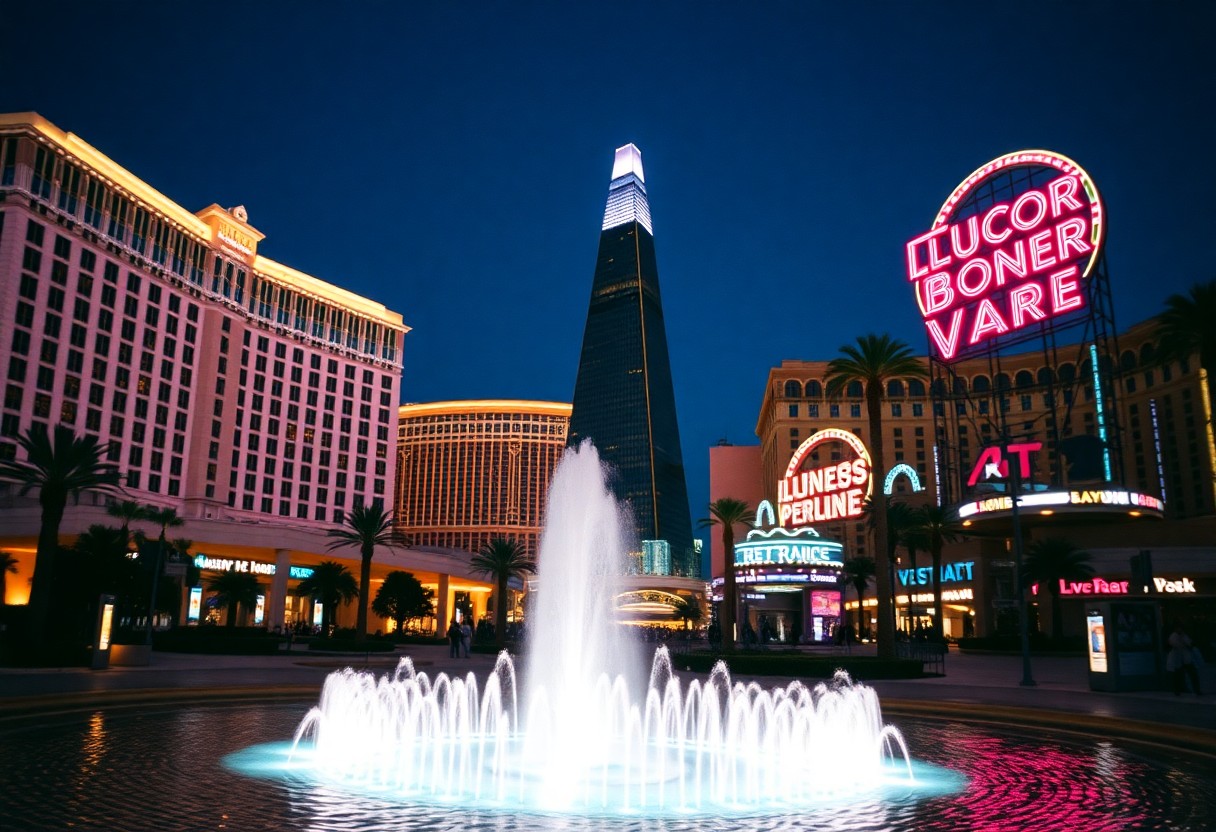
It’s fascinating to explore how Las Vegas has transformed from a modest desert town into a global icon of entertainment and innovation through its architecture and design. You will uncover the dynamic evolution of this vibrant city, from the early days of simple structures to the opulent resorts and themed casinos that now define its skyline. By examining the architectural styles and influential designers that have shaped Las Vegas, you will gain a deeper appreciation for the creative forces that continue to drive this extraordinary destination.

Foundations of Glamour: The Birth of Las Vegas
In the early 20th century, Las Vegas began evolving from a small railway town into a vibrant hub of entertainment, marked by the arrival of the mob and the glitzy hotels that captured the essence of glamour. The construction of the Hoover Dam in 1935 laid the groundwork for a booming economy and an influx of visitors seeking recreation and leisure. This unique blend of ambition and creativity ignited architectural innovation, leading to the iconic structures you associate with modern Las Vegas.
The Tent City: Earliest Structures and Their Influence
The original Tent City, established in 1905, was a rudimentary settlement that featured canvas tents as makeshift structures for early settlers and workers. These temporary accommodations reflected the region’s transient nature and limited resources at the time. Despite their simplicity, these initial buildings set the stage for future architectural endeavors, showcasing resilience and adaptability that would influence the design philosophy of Vegas throughout the decades.
The Advent of the Strip: How Hotels Transformed the Landscape
The emergence of the Las Vegas Strip in the 1940s epitomized the transformation of the city’s landscape, as grand hotels and casinos replaced the modest structures from earlier eras. Iconic properties such as the Flamingo, opened by Bugsy Siegel in 1946, marked a turning point in architectural design, introducing opulence and themed experiences that captivated visitors. Over the years, this stretch of road evolved into a canvas for creativity, with each new hotel showcasing unique styles that redefined the skyline and the experience of Las Vegas.
The Las Vegas Strip became a collecting point for architectural innovation and a playground for imagination. The glamorous hotels that emerged showcased a mix of styles, from the glamorous Art Deco of the Flamingo to the romantic Venetian architecture of The Venetian Resort. The Strip’s allure attracted not only tourists but also bold architects eager to push the boundaries of design. Structures started to embody not just luxury but also the fantasy world Las Vegas offered, contributing to tourism and making your visits feel like stepping into a parallel universe of escapism and excitement.
Architectural Identity: The Mid-Century Marvels
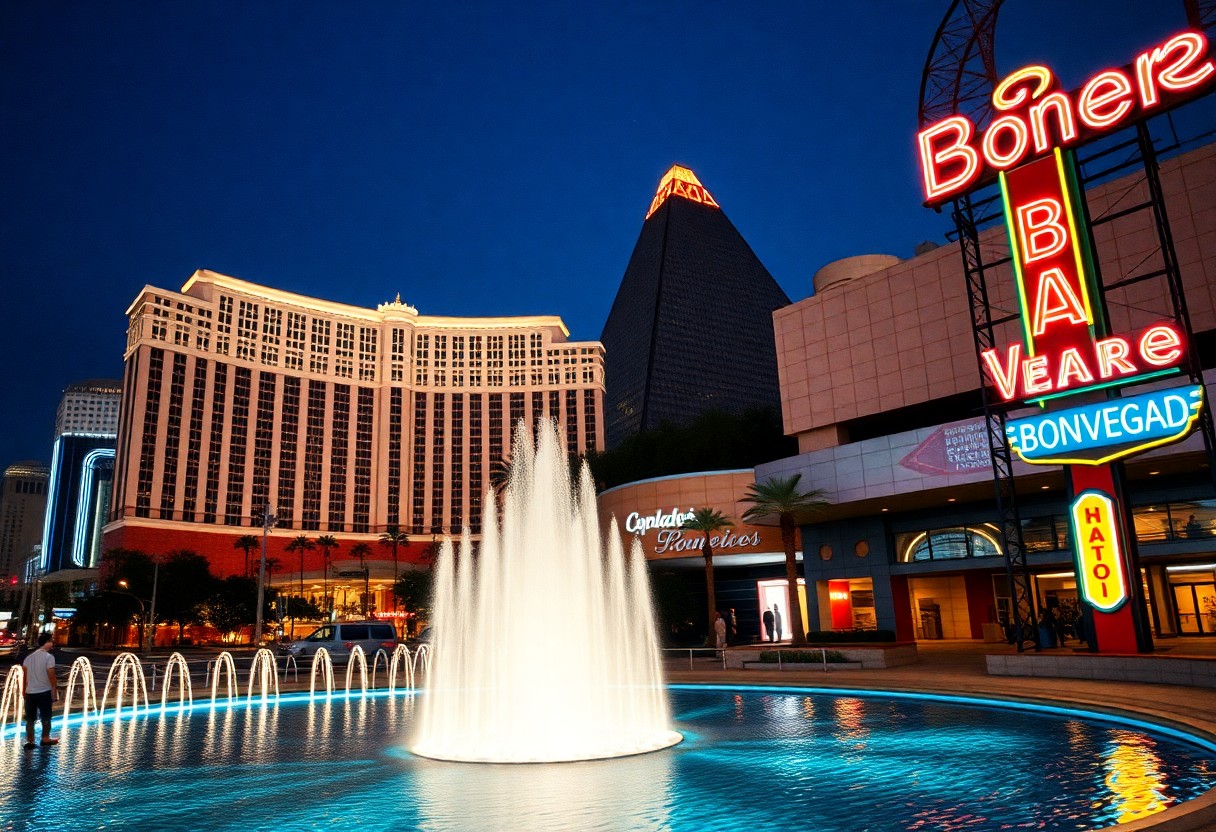
Your understanding of Las Vegas architecture wouldn’t be complete without acknowledging the mid-century marvels that defined the city’s skyline. The 1950s and 1960s marked a period of exploration in design, characterized by bold lines, playful structures, and a unique blend of modernism alongside the opulence that Vegas is known for. This era saw the emergence of iconic buildings that not only embodied the spirit of the time but also reflected the post-war optimism and desire for excitement that Vegas audiences craved.
Modernism Meets Opulence: Key Designs of the 1950s and 1960s
The 1950s and 1960s ushered in a milestone for Las Vegas architecture, where modernism collided with luxury. Structures like the sleek, neon-lit Sands Hotel and the elegant Fontainebleau captured the imagination of visitors, showcasing innovative materials and design techniques. The renowned “Googie” style emerged, characterized by dynamic angles and vibrant signage that were perfect for the glitz of The Strip, cementing an architectural identity synonymous with extravagance.
Notable Figures: Architects Who Shaped the City’s Aesthetic
Several influential architects left a lasting mark on Las Vegas during this pivotal era. Figures such as Paul Williams and Del E. Webb played crucial roles in designing some of the city’s most iconic hotels and casinos. Their work not only redefined the aesthetic landscape but also transformed the hotel industry, blending luxury with functionality, and creating welcoming environments for visitors. These architects harnessed the collective energy of the time, contributing significantly to the unique character and identity of Las Vegas.
Paul Williams, the first African American member of the American Institute of Architects, designed significant structures like the renowned Las Vegas Convention Center, while Del E. Webb was instrumental in the creation of the Sahara Hotel and Casino, a beacon of modern design. Their visions shaped the city’s architectural evolution, paving the way for future designs that continued to embrace the blend of the modern and the opulent. You can see their influence throughout The Strip today, where the remnants of mid-century innovations still resonate with the thrilling atmosphere that defines Las Vegas.
Iconic Structures: Symbols of Excess and Aspirations
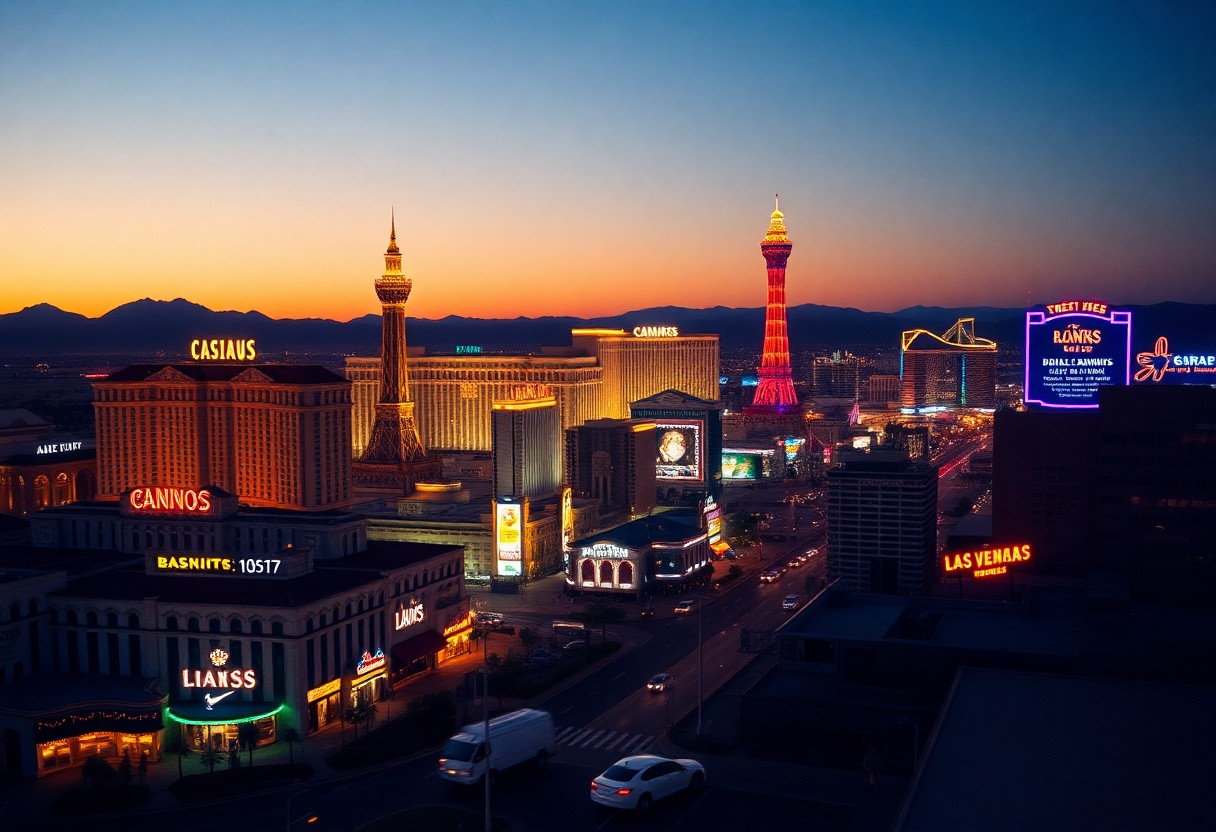
Las Vegas is home to some of the most recognizable structures in the world, epitomizing aspirations and excess. From the soaring heights of the Stratosphere Tower to the luxurious curves of the Wynn, these buildings blend opulence with fantasy. Each structure stands as a testament to the city’s bold spirit, often pushing architectural boundaries. Here, grandeur and spectacle redefine what is possible, celebrating human ingenuity while inviting you to indulge in a world beyond ordinary experience.
The Mirage and Beyond: The Rise of Themed Resorts
The Mirage opened its doors in 1989, introducing themed resorts that fundamentally changed the Las Vegas landscape. This groundbreaking hotel featured a volcano that erupted nightly, setting a precedent for immersive experiences. As you stroll down the Strip, themed resorts from Paris to Venice transport you to far-off destinations, each uniquely designed to encapsulate a particular ambiance. Themed architecture serves not only as entertainment but also as a representation of the city’s relentless desire to mesmerize and engage its visitors.
Neon Dreams: The Allure of Signage and Visual Impact
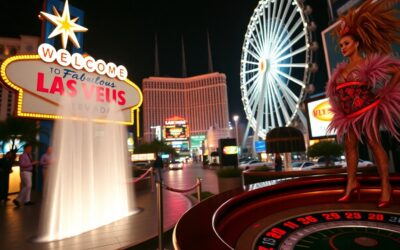
Neon signage has long been an integral part of Las Vegas, illuminating the night with vibrant colors and shapes. The iconic Las Vegas Welcome Sign, created in 1959, stands as a symbol of the city, while countless others beckon you into casinos and attractions. These dazzling displays are more than mere advertising; they are part of the architectural tapestry that adds character, nostalgia, and energy to the Strip. In a city where the visual experience is paramount, the art of neon signage elevates Las Vegas, turning it into an unforgettable spectacle.
The allure of neon signs in Las Vegas goes beyond their eye-catching aesthetics. Originating in the 1920s, neon technology provided affordable means to illuminate and advertise even the most whimsical attractions. These vibrant lights not only draw your attention but also create an emotional connection to the experience of Las Vegas itself. As you wander down the Strip, the sights of flickering lights and animated displays evoke feelings of excitement and wonder. The unique style and artistry involved in crafting these signs have become synonymous with the city, transforming it into a living canvas that never sleeps.
Reinvention and Sustainability: The Recent Architectural Wave
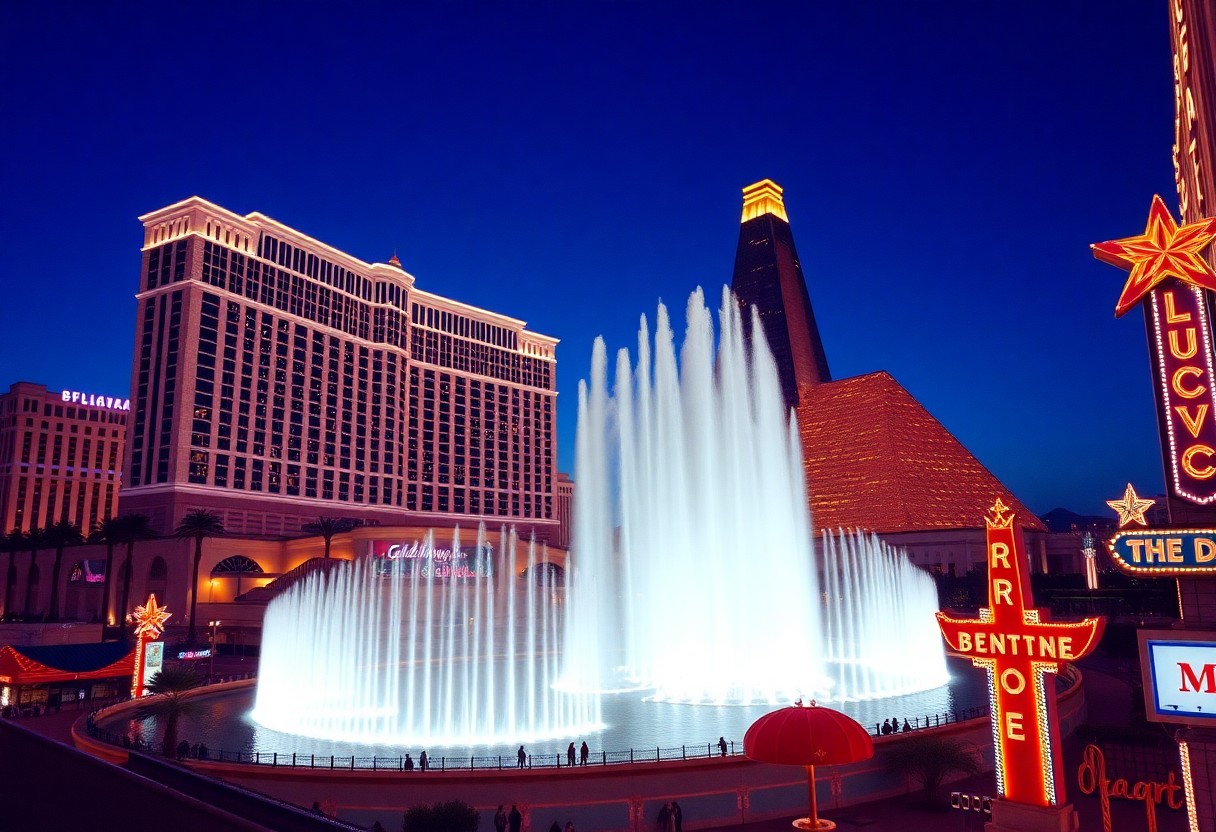
The latest architectural wave in Las Vegas reflects a growing commitment to sustainability and innovation. As the city embraces a new era, developers and architects focus on creating spaces that harmonize luxury and ecological responsibility. Projects like the Las Vegas Strip’s first LEED-certified hotel illustrate a shift towards environmentally-conscious design, blending opulence with mindful practices. This transformation illustrates not just a change in building style, but also a reflection of evolving attitudes towards urban living in a desert oasis.
Eco-Friendly Designs: How Modern Projects Embrace Sustainability
Modern projects within Las Vegas are increasingly adopting eco-friendly designs to reduce their carbon footprint. Innovations like green roofs, solar panels, and water-efficient landscaping showcase a commitment to preserving the surrounding desert environment. Notably, the Fontainebleau, set to incorporate energy-efficient technologies, serves as a prime example of how luxury and sustainability can coexist harmoniously, catering to an environmentally-conscious clientele.
Blending Old and New: Preserving Heritage Amidst Growth
Amidst rapid growth, Las Vegas deftly blends old and new architectures to honor its rich history while embracing modernity. Historic landmarks such as the Las Vegas Neon Boneyard revive classic signage while being integrated into contemporary urban settings. This thoughtful preservation allows you to experience the city’s vibrant past while also enjoying cutting-edge designs, creating a unique narrative throughout the cityscape.
As you navigate through Las Vegas, you’ll notice a careful fusion of architectural styles that tells a story of transformation. The preservation of iconic structures like the Golden Gate Casino and the revitalization of the Fremont East District reflect a concerted effort to honor the city’s roots. Developers are not just tearing down structures; they are creating spaces that respect the historical narrative while meeting modern demands. By creatively incorporating retro elements into new projects, Las Vegas stakeholders ensure that the soul of the city remains embedded in the skyline, allowing you to appreciate the contrast between its storied past and future aspirations.
The Future of Las Vegas Architecture: Trends on the Horizon
Las Vegas is on the brink of architectural evolution, embracing eco-friendly practices and innovative designs. As sustainability takes center stage in the industry, you’ll see more structures incorporating green technologies and energy-efficient systems. The integration of smart city concepts will also reshape urban landscapes, enhancing the experience for residents and visitors alike. In this ever-evolving architectural dialogue, Las Vegas remains a canvas for bold imaginations and forward-thinking designs.
Technology and Design: Smart Buildings in a Digital Age
The rise of smart buildings is reshaping the Las Vegas skyline, where technology marries design for enhanced efficiency and user experience. You’ll find that advanced automation systems optimize energy use, with sensors managing lighting and temperature based on occupancy. As these innovations expand, future developments are likely to incorporate AI and IoT, helping to create adaptable spaces that cater to the needs of a dynamic urban population.
Community Spaces: Fostering Local Engagement and Culture
Designing community spaces is becoming a focal point in Las Vegas, encouraging local engagement and enriching the cultural landscape. Your experience will change as architects integrate parks, open squares, and multi-functional venues to strengthen communal bonds. These spaces can serve as venues for events, markets, and performances, making them vital for forging connections among residents.
In many neighborhoods, revitalized community spaces have emerged as necessary hubs for interaction and cultural expression. Locations like the Downtown Arts District exemplify this shift, featuring artist studios, galleries, and event spaces that invite both locals and visitors to engage with the vibrant culture of Las Vegas. In addition, projects aimed at repurposing underutilized areas into public parks and gathering spots will likely enhance the sense of belonging, inviting you to partake in the unique tapestry of experiences that define the city. As these efforts gain momentum, they not only improve livability but also contribute to a richer urban narrative that connects people to place.
Conclusion
Drawing together the rich tapestry of Las Vegas architecture and design, you can appreciate how the city has evolved into a remarkable showcase of styles and innovations. From the captivating themes of the Strip to the stunning desert modernism, each structure tells a story that reflects your desires for entertainment and luxury. As you explore this vibrant city, you come to understand that its architectural journey is not just a backdrop for the glitz and glamour, but an integral part of the Las Vegas identity, shaping your experience every step of the way.

0 Comments