
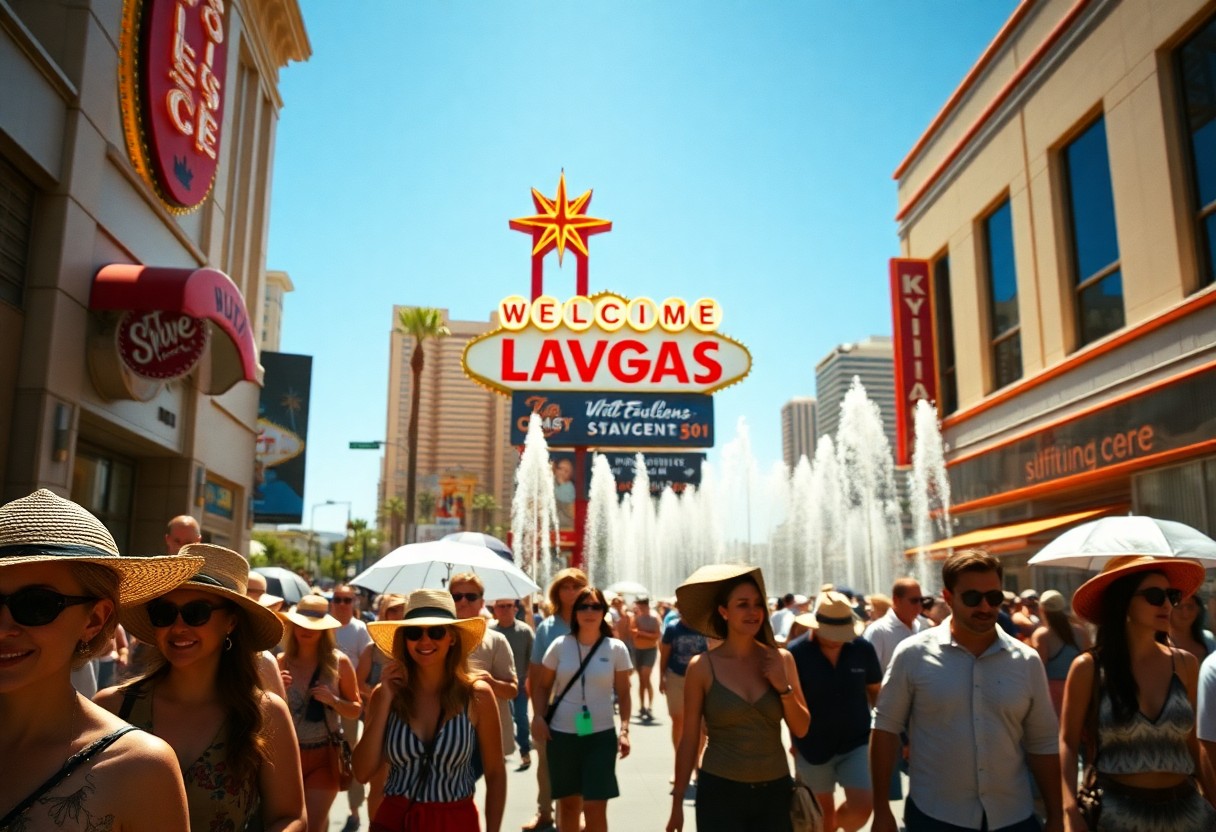
There’s a unique charm to Las Vegas, but its weather plays a significant role in shaping your daily experience in the city. From the sweltering summers to the mild winters, understanding how these weather patterns can affect your activities, health, and even mood is vital. Whether you’re planning outdoor excursions, commuting, or simply enjoying a night out, awareness of the local climate can help you make informed decisions that enhance your life in this vibrant desert oasis.
Overview of Las Vegas Climate
While Las Vegas is renowned for its vibrant lifestyle and entertainment, its climate also plays a significant role in your day-to-day experiences. Characterized by a desert climate, Las Vegas enjoys an abundance of sunshine, low humidity, and minimal rainfall throughout the year. This unique weather pattern influences everything from outdoor activities to indoor comfort, making it important for you to stay informed and prepared for varying conditions.
Seasonal Variations
The seasonal changes in Las Vegas can profoundly affect your lifestyle. Winters are mild, while summers can be scorching hot, with temperatures often exceeding 100°F. Spring and fall are transitional periods with pleasant weather. Understanding these variations helps you plan your outdoor activities and adapt your wardrobe accordingly, ensuring you maximize enjoyment in the city’s diverse environments.
Average Temperature Range
Seasonal temperature extremes in Las Vegas can influence your daily routine significantly. The following table outlines the average temperature range throughout the year, giving you a clear picture of what to expect.
Average Temperature Range
| Season | Average Temperature (°F) |
| Winter (Dec-Feb) | Highs: 58-65, Lows: 34-45 |
| Spring (Mar-May) | Highs: 70-85, Lows: 45-58 |
| Summer (Jun-Aug) | Highs: 90-105, Lows: 70-82 |
| Fall (Sep-Nov) | Highs: 80-90, Lows: 55-69 |
A comprehensive awareness of temperature ranges aids you in preserving comfort year-round. By understanding the highs and lows associated with each season, you can better prepare for outdoor adventures or craft personal comfort at home. A well-planned approach to clothing and activities will enhance your living experience in Las Vegas, allowing you to fully embrace all the city has to offer.
Detailed Average Temperature Range
| Season | Detailed Average Temperature (°F) |
| Winter (Dec-Feb) | Daytime: 58-65, Nighttime: 34-45 |
| Spring (Mar-May) | Daytime: 70-85, Nighttime: 45-58 |
| Summer (Jun-Aug) | Daytime: 90-105, Nighttime: 70-82 |
| Fall (Sep-Nov) | Daytime: 80-90, Nighttime: 55-69 |
Impacts on Daily Activities
One of the defining characteristics of Las Vegas is its unique climate, which plays a significant role in shaping your daily activities. The extended periods of sunshine and high temperatures can influence everything from your morning routines to evening plans. You may find yourself altering your schedule to avoid the midday heat, making it imperative to adapt your lifestyle to these weather patterns for maximum comfort and enjoyment.
Outdoor Recreation
Between the vibrant desert landscapes and the variety of recreational activities available, Las Vegas offers numerous outdoor options. However, the extreme temperatures can dictate when and how you engage with nature. Morning or evening excursions are often preferred to avoid the harsh midday sun, encouraging you to plan your outdoor activities around the daily weather forecasts
Work and Commute Considerations
Across the city, the weather can also present challenges for your daily commute. With temperatures often soaring, you might need to account for vehicle cooling times and stay hydrated while driving. Understanding how the heat affects road conditions is imperative, as it can lead to delays or alterations in your travel plans.
Another factor to consider is the impact of seasonal weather variations, such as rare but intense rainstorms or high winds, which can disrupt your usual commute. Keeping informed about these changes allows you to prepare adequately, whether it means leaving earlier or carrying imperatives like an umbrella. Adapting to these conditions ensures your daily work routine remains smooth and efficient.
Health and Safety Concerns
Some health and safety concerns arise from the unique climate of Las Vegas. Extreme temperatures can put you at risk for heat-related illnesses, while fluctuating air quality can exacerbate allergies and respiratory issues. Understanding these risks can help you make better decisions about your daily activities and ensure your overall well-being in this vibrant desert city.
Heat-related Illnesses
After spending time outdoors in Las Vegas, you may experience symptoms of heat-related illnesses, such as heat exhaustion or heat stroke. It’s imperative to stay hydrated and take breaks in shaded or air-conditioned areas, particularly during the sweltering summer months. Your body can only handle so much heat, so listen to the signs it gives you.
Allergies and Air Quality
By being aware of the air quality in Las Vegas, you can better manage allergy symptoms that may hinder your daily life. Pollution levels can fluctuate based on various factors, including weather conditions and local traffic. Staying informed about the air quality index (AQI) can help you avoid outdoor activities during high pollution days, ensuring you feel your best.
In addition, local allergens, such as pollen from trees, grasses, and weeds, can trigger allergy symptoms and affect your comfort during certain seasons. Utilizing air purifiers indoors, wearing masks during high pollen days, and keeping windows closed can significantly improve your indoor air quality, allowing you to enjoy your time in Las Vegas without the inconvenience of allergies.
Economic Implications
Unlike many cities, Las Vegas experiences significant economic fluctuations tied to its weather patterns. Extreme heat during the summer months can lead to a decrease in tourist activities, while mild winter conditions often attract more visitors. This seasonal variability impacts everything from hotel occupancy rates to restaurant revenues, ultimately affecting local job markets and business viability. Understanding these dynamics can help you anticipate changes in your own financial planning and spending while living or traveling in Las Vegas.
Tourism Patterns
Around the Las Vegas area, tourism patterns shift dramatically with the weather. Summer months can deter some visitors from outdoor attractions, leading to increased patronage in air-conditioned indoor venues. Conversely, spring and fall, when temperatures are milder, attract a higher volume of tourists who prefer outdoor entertainment, events, and excursions. As a result, your travel plans may benefit from understanding these seasonal trends to enhance your experience and optimize your costs.
Local Business Adaptations
Across Las Vegas, local businesses actively adapt to the city’s climate to maintain profitability year-round. Many restaurants and entertainment venues adjust their services and offerings based on temperature fluctuations. For instance, during the peak of summer, you may notice more afternoon happy hours and nighttime events to accommodate guest preferences. Additionally, retail stores often provide seasonal sales to attract locals and visitors during milder weather months, ensuring that they remain competitive.
In addition, businesses implement various strategies to cope with the extreme heat and seasonal changes. For instance, hotels may invest in improved air conditioning systems to create a cooler environment for their guests, enticing them to stay longer. Similarly, outdoor attractions often offer shaded areas or cooling misters to enhance visitor comfort. As a consumer, you will find that these adaptations not only impact your experience but also reflect the resilience and ingenuity of local businesses working to thrive in a distinct climate.
Clothing and Lifestyle Adjustments
Your wardrobe and daily routines must adapt to the unique climate of Las Vegas. With scorching summers and mild winters, it’s imperative to choose clothing that enhances comfort and suits the temperature. Lightweight, breathable fabrics are ideal for summer, while layers are advisable for cooler evenings. By considering the weather, you can ensure that your lifestyle remains enjoyable and that you are always prepared for whatever the day brings.
Dressing for Comfort
Above all, comfort is key when dressing for the Las Vegas heat. Opt for loose-fitting clothing made from natural fibers like cotton or linen, which allow for better airflow and help keep you cool. Don’t forget to accessorize with wide-brimmed hats and sunglasses to protect yourself from the sun’s rays, ensuring that you stay stylish while maintaining your comfort.
Home Cooling Solutions
After a long day out in the sun, returning to a cool home is a relief. Effective cooling solutions make your indoor environment comfortable, allowing you to relax and rejuvenate. Consider investing in energy-efficient air conditioning systems and ceiling fans to circulate cool air. Proper insulation and shading can also help maintain a pleasant temperature indoors, despite the desert heat.
In fact, implementing smart home technology like programmable thermostats and energy-efficient cooling units can have a significant impact on your comfort and energy bills. Additionally, block out the intense midday sun with window coverings or landscaping that provides shade. These modifications not only enhance your home’s comfort but also contribute to energy savings throughout the hot months, proving beneficial in the long run.
Future Weather Trends
Now is the time to consider how future weather trends in Las Vegas may influence your daily life. With temperatures steadily increasing, you might find yourself adjusting your outdoor activities or anticipating changes in energy costs as demand for cooling rises. Staying informed about the patterns can help you plan better for both leisure and work commitments in this vibrant city.
Climate Change Effects
Against a backdrop of global climate change, Las Vegas is experiencing notable shifts in weather patterns. You may face hotter summers, unpredictable rainfall, and an increased risk of droughts, all of which could impact your day-to-day activities and water resources. Being aware of these changes can help you adapt your lifestyle accordingly.
Long-term Forecasting
On the topic of long-term forecasting, understanding projected weather patterns can equip you with the necessary insights to make informed decisions. You may want to adjust your gardening schedule, rethink home improvement projects, or anticipate shifts in local attractions based on seasonal trends.
Future advancements in meteorology technology promise to enhance the accuracy of long-term weather forecasting. You can expect updates on potential shifts in pre-monsoon conditions or changes in temperature averages, which can significantly influence your travel plans or outdoor events. Staying engaged with reputable forecasts can empower you to take proactive steps, ensuring you enjoy your Las Vegas experience to the fullest while remaining prepared for future changes.
Conclusion
Taking this into account, understanding how Las Vegas weather impacts your daily life can enhance your overall experience in the city. From planning your outdoor activities to managing your health and comfort, being aware of seasonal shifts and temperature fluctuations allows you to adapt accordingly. You’ll find that preparing for the intense heat or occasional rainy days can lead to more enjoyable outings and better well-being. By staying informed, you can fully embrace all the excitement Las Vegas has to offer, regardless of the weather conditions.




0 Comments