History is a fascinating lens through which you can explore the evolution of Las Vegas, a city renowned for its entertainment and nightlife. In this blog post, you will discover key milestones that have significantly influenced its growth and development. From its humble beginnings to its status as a global hotspot, understanding these pivotal events can deepen your appreciation for this vibrant destination. To get started, check out A (Super) Brief History of Las Vegas before it was Las Vegas.
The Founding Years: From Desert Oasis to Settlement
Amidst the arid desert landscape, the origins of Las Vegas trace back to the early 19th century when it served as an oasis for weary travelers. This ideal location, featuring a series of natural springs, laid the groundwork for the city’s evolution from a mere stopover to a bustling settlement. As more pioneers ventured into the region, the unique combination of natural resources and strategic positioning began to attract attention, slowly leading to the transformation of Las Vegas into a thriving town.
Early Native Inhabitants
Along the banks of what is now the Las Vegas valley, early Native American tribes, such as the Paiutes, established their communities. These indigenous peoples thrived in harmony with the desert environment, utilizing the region’s natural springs for sustenance and agriculture. Their deep connection to the land enriched the area’s cultural fabric, setting the stage for the eventual arrival of settlers and a profound transformation in the valley.
Establishment of the Las Vegas Townsite
Along with increasing interest from settlers, the Las Vegas Townsite was established in 1905, marking a pivotal moment in the city’s development. This initiative was championed by the railroad industry, which saw the potential for growth in the area. The development provided a structured layout for the burgeoning community, complete with streets, lots, and important amenities, laying the foundation for what would evolve into the expansive metropolis you know today.
The establishment of the Las Vegas Townsite brought many opportunities for growth and commerce, resulting in a diverse mix of settlers drawn to the promise of new beginnings. As the population began to grow, infrastructure improvements followed, including schools, churches, and businesses, all designed to meet the needs of the emerging community. This remarkable transformation from a solitary desert oasis to an organized town marked the beginning of Las Vegas’s journey as one of America’s most iconic cities.
The Birth of the Railroad and Its Impact
The arrival of the railroad in the late 19th century marked a significant turning point in Las Vegas’ development. This new transportation network enhanced accessibility, linking the city to major hubs and helping to establish it as a vital stop for trade. You can learn more about the city’s evolution by exploring the Timeline of Las Vegas history.
The Arrival of the Railroad
Birth of the railroad in 1905 was instrumental in transforming Las Vegas from a small settlement to an emerging urban center. As trains carried tourists and goods, the city’s infrastructure began to develop rapidly, paving the way for future growth.
Growth of Commerce and Population
Around the establishment of the railroad, the influx of people and commerce ignited a population boom in Las Vegas. Businesses thrived, catering to travelers and residents alike, contributing to an increasingly vibrant economy. The railroad not only facilitated trade but also attracted those seeking opportunities in various sectors.
Indeed, the railroad’s influence extended beyond just transportation; it facilitated the expansion of hotels, restaurants, and retail establishments. As you walk through the city today, you can see the enduring legacy of this period in the bustling streets and thriving businesses that owe their existence to the railroad’s arrival.
The Rise of the Gambling Industry
It was during the early 20th century that Las Vegas began to transform into the vibrant gambling hub you know today. Initially a quiet railroad town, its fortunes changed dramatically during the Great Depression. The need for economic stimulation led to the expansion of legalized gaming, drawing in visitors and investors seeking fortune and entertainment. By the mid-20th century, Las Vegas had established itself as the ultimate playground for gamblers, shaped by a blend of glitz, glamour, and the allure of chance.
Legalization of Gambling
Behind the surge in Las Vegas’s gambling scene is the pivotal legalization of gambling in 1931, when Nevada sought to improve its struggling economy. This strategic move laid the groundwork for the city’s future, attracting entrepreneurs and visionaries eager to build a gambling empire. As casinos began to flourish, they not only created jobs but also positioned Las Vegas as a unique destination for tourists seeking thrill and excitement.
Iconic Casinos and Their Founders
By the mid-20th century, Las Vegas was home to a range of iconic casinos, each with distinct personalities and histories shaped by their founders. These pioneering figures included gaming magnates like Bugsy Siegel, who established The Flamingo, and Steve Wynn, who revolutionized the Strip with the creation of opulent resorts. Their innovative visions and fearless pursuits of grandeur helped define an era in Las Vegas’s history, making the city synonymous with extravagant gambling experiences.
With the arrival of figures like Siegel and Wynn, iconic casinos began to dot the Las Vegas Strip, each turning into legends unto themselves. The Flamingo introduced a new level of luxury, while the Mirage brought a tropical theme that captivated visitors. These founders not only constructed buildings but crafted experiences that transformed gambling into entertainment. By interweaving showmanship with gaming, they laid the foundation for Las Vegas as the entertainment capital of the world that you recognize today.
Post-War Boom: The Evolution of Las Vegas
Many significant transformations marked Las Vegas’s post-war boom, as the city shifted from a modest desert town to a vibrant entertainment hub. After World War II, an influx of people and investment spurred rapid growth, establishing Las Vegas as a major destination for tourism, leisure, and gaming. This period laid the foundation for the city’s iconic strip and its status as a cultural beacon of the American West.
Economic Growth in the 1950s
Any discussion of Las Vegas’s evolution must include the remarkable economic growth of the 1950s. Following the end of the war, military personnel returned home, and the region benefited from an expanding economy fueled by both tourism and new infrastructure. The construction of casino hotels attracted visitors from around the country, and the gambling industry thrived, becoming a catalyst for further development and job creation, ultimately redefining the local economy.
The Entertainment Capital Emerges
Post-war Las Vegas quickly established itself as the entertainment capital of the world, drawing millions of visitors each year. The emergence of extravagant shows and performances, coupled with an increasing number of glamorous resorts, set the stage for Las Vegas’s distinct identity. World-renowned entertainers began to flock to the city, creating a vibrant nightlife that captivated audiences and solidified Las Vegas’s reputation as a premier destination for entertainment.
Economic transformation in Las Vegas during this era was profoundly tied to its burgeoning entertainment scene. The rise of lavish casinos and nightclubs attracted both international stars and tourists seeking unforgettable experiences. As these venues flourished, they became landmarks in their own right, reinforcing the image of Las Vegas as a city of excitement and allure. You could see how Las Vegas shifted from a sleepy desert locale to a thriving metropolis known for its glamour and entertainment offerings.
Modernization and Urban Development
Despite its roots as a small railroad town, Las Vegas has undergone tremendous modernization, transforming into a vibrant urban center. The evolution of the city reflects its ability to reinvent itself continually and adapt to modern needs. As you explore the history of Las Vegas, you’ll find that urban development has played a significant role in shaping its unique character and dynamic atmosphere.
Infrastructure Advancements
Infrastructure in Las Vegas has seen remarkable advancements over the decades. As you navigate the city, you can appreciate the upgraded transportation systems, including the expansion of highways and public transit options that facilitate your experience. Enhanced utilities and services have also improved the overall quality of life, making the city more accessible and enjoyable for both residents and visitors.
Attractions and Mega-Resorts
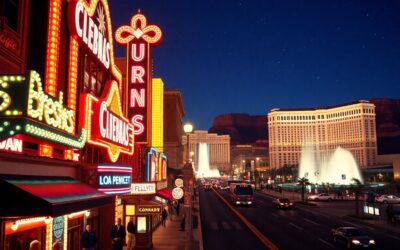
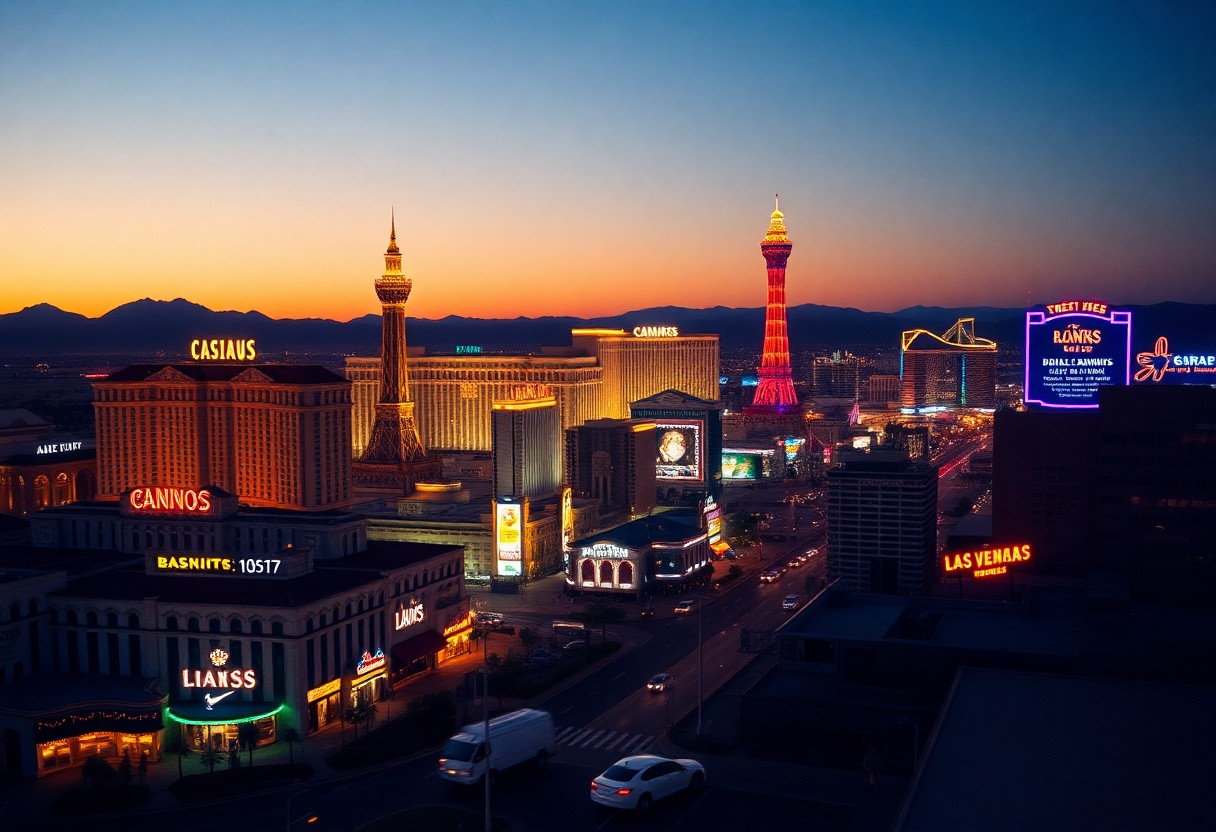
On your visit to Las Vegas, you’ll be captivated by the impressive attractions and mega-resorts that define its skyline. These architectural marvels offer a plethora of entertainment options, from world-class dining to thrilling shows. Each resort provides a unique experience, drawing you into a whirlwind of luxury and excitement.
Modernization in attractions and mega-resorts has set Las Vegas apart as a global entertainment capital. With each new development, the city has embraced innovative designs and cutting-edge technology, enhancing your overall experience. From the iconic Bellagio fountains to immersive themed resorts like The Venetian, these attractions invite you to indulge in unmatched luxury while providing endless entertainment options that cater to every taste and preference.
Cultural Shifts and Diversity
Not only is Las Vegas renowned for its vibrant nightlife and lavish casinos, but it has also emerged as a melting pot of diverse cultures. The city’s growth has been significantly influenced by the influx of various ethnic communities over the decades, each bringing their unique traditions, languages, and flavors. This rich cultural tapestry has not only shaped local customs but has also enriched the overall identity of Las Vegas as a major global destination.
Immigration and Community Growth
Below the glitz and glamour of the Strip lies the story of how immigration has fueled the expansion of Las Vegas. Over the years, diverse groups of people have settled in the city, contributing to a dynamic workforce and vibrant community life. From early settlers, such as Italian and Chinese immigrants, to newer arrivals from Latin America and beyond, each wave of immigrants has played a vital role in shaping the social and cultural landscape of Las Vegas.
Evolution of Arts and Entertainment
Between the dazzling neon lights and world-class shows, the evolution of arts and entertainment in Las Vegas mirrors the city’s dynamic cultural shifts. Initially focused on traditional performers and venues, the entertainment scene has expanded to showcase a myriad of art forms, including music festivals, theatrical productions, and contemporary art exhibits. This progression reflects both the local population’s diversity and the ever-changing tastes of visitors, providing a platform for artists from various backgrounds.
Plus, as you explore the evolution of arts and entertainment in Las Vegas, you’ll find that many events and shows celebrate the city’s multicultural identity. Local artists frequently collaborate with international talents, creating unique performances that honor both traditional heritage and modern influences. The blend of genres—ranging from Broadway-style spectacles to cutting-edge shows—demonstrates how Las Vegas not only entertains but also champions diversity in the arts, ensuring every visitor feels a connection to the city’s vibrant culture.
Final Words
Upon reflecting on the rich history of Las Vegas, you can appreciate the key milestones that shaped the vibrant city it is today. From its modest beginnings as a watering hole to its transformation into a global entertainment hub, each event has played a significant role in its evolution. Understanding these developments not only enhances your knowledge of Las Vegas but also enriches your experience as you explore its dynamic landscape. For more insights into Las Vegas’s history, visit Las Vegas.

0 Comments